With economic globalization, China has become the world's largest factory, and customized production models such as Engineer-to-Order (ETO) and Assemble-to-Order (ATO) are flourishing in China as well. To adapt to the new production systems, traditional ERPs have made some changes and adjustments, but most products still cannot meet the business requirements of make-to-order (or assemble-to-order) manufacturers. In this type of manufacturing, there are often essential needs such as raw material area and volume calculation and cutting optimization calculation. Order information needs to run through the entire process from design, procurement, material requisition, workshop, outsourcing to finished goods receipt and after-sales service, and the incurrence and allocation of costs at each stage must be based on the customized content of the customer order. Both ex-ante estimation and ex-post accounting also need to be order-based. Fully open-source and customizable Odoo is precisely the best solution for these needs.
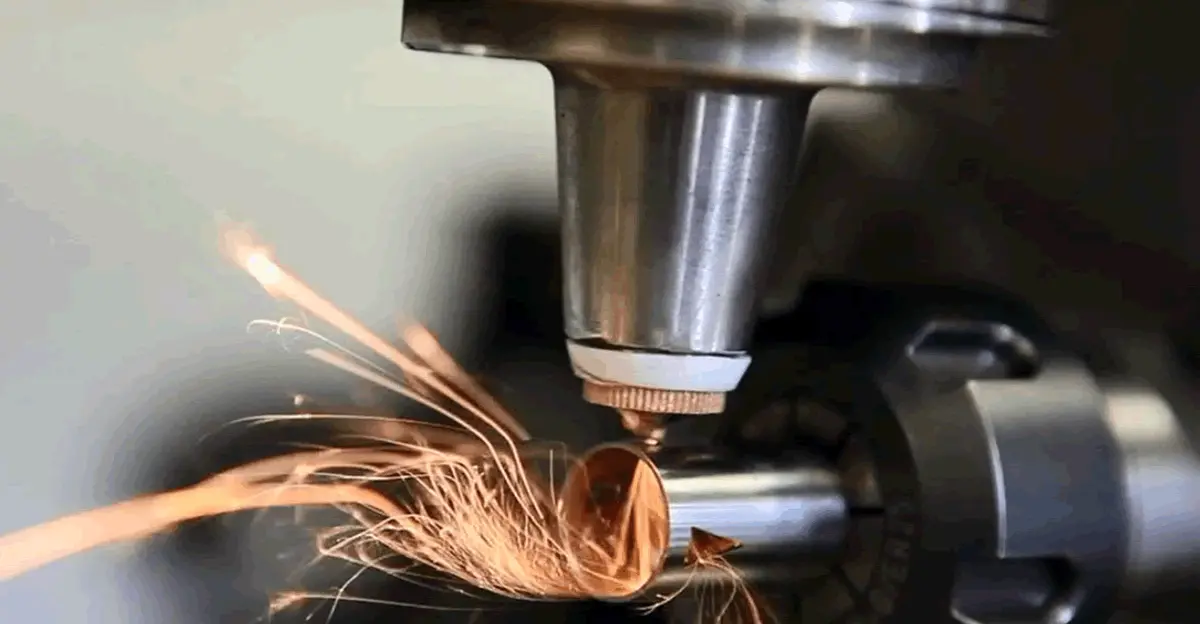
Custom production/cutting manufacturing has its particularities. In the production processes of panels, steel, paper, etc., whenever cutting is involved, the finished products, semi-finished products, and raw materials all involve width, length, and sales, procurement, and production based on square meters as the basic unit of measurement. In the sales quotation process, multiple unit conversions such as length, area, weight in grams, and quantity are involved. These characteristics make traditional management methods prone to data gaps, such as inaccurate inventory and difficult delivery time control. ERP for this type of manufacturing is not only a resource management tool, but also the core support for enhancing flexible production capacity, achieving lean cost control, and meeting stringent traceability requirements. When selecting or customizing ERP, it is necessary to focus on its depth of coverage for scenarios such as raw material area, roll material management, multi-process collaboration, and batch traceability, in order to transform industry characteristics into competitive advantages.
Core Business Requirements
1. Formula and Material Management:
- Diversity of raw materials: Need to manage the characteristics, batches, and supplier data of materials such as substrates (paper/film), glue, release paper, etc., and support flexible formula adjustments.
- Remnant recycling management: Accurately track the remaining rolls after slitting, improve reuse efficiency, and reduce waste.
2. Production Planning and Scheduling
- Multi-process collaboration: Covering coating, printing, die-cutting, slitting, etc., ERP needs to support process-level scheduling to adapt to flexible production with small batches and multiple orders.
- Equipment and mold management: Record the life cycle of special tools such as die-cutting plates, associate with production tasks, and avoid resource conflicts.
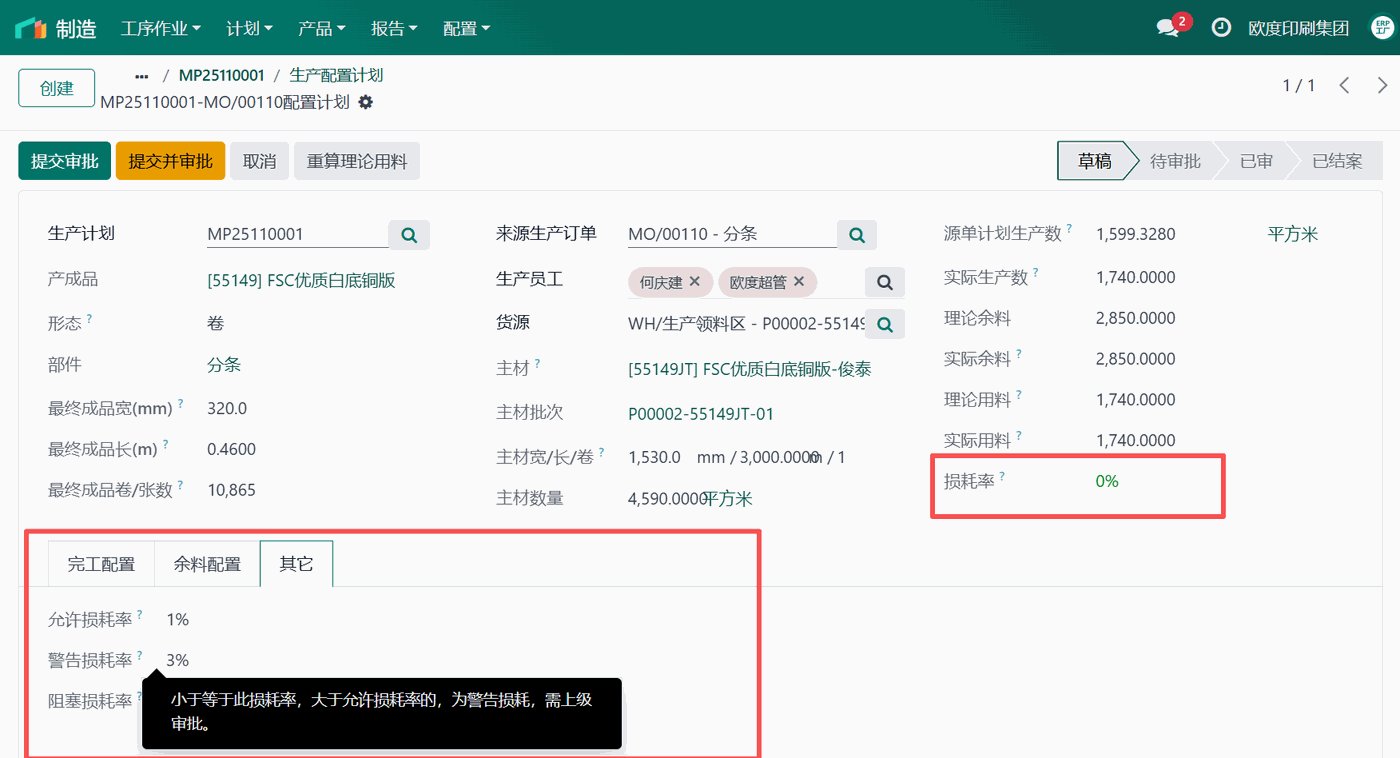
- Production loss management: Each finished product at each stage has different standard production loss rates. Different approval processes should be followed or production refused based on different loss thresholds.
3. Quality and Traceability System
- Full-process traceability: From raw material batch to finished product roll number, achieve forward and backward traceability to meet compliance requirements of food, pharmaceutical and other industries.
- Quality inspection integration: Record the quality inspection results of each process (such as viscosity, peel force), and automatically trigger the nonconforming product handling process.
4. Sales and Customer Management
- Customized quotation: Quickly generate quotations based on material combinations and process complexity.
- Order progress visualization: Customers can query order status (such as production, quality inspection, shipping) to enhance service experience.
5. Dynamic Cost Accounting
- Roll slitting accounting: Allocate costs based on the "master roll - sub-roll" relationship, and accurately calculate the cost of products of different specifications after slitting.
- Loss monitoring: Automatically compare theoretical usage with actual consumption, and locate loss points (such as die-cutting waste edges).
6. Fine-grained Inventory Management
- Multi-unit conversion: Supports automatic conversion between units such as "square meters/kilograms/rolls" to avoid inventory discrepancies.
- Shelf-life alerts: Set alerts for raw materials with shelf lives, such as glue, to prevent expiration waste.
User Case
A self-adhesive company in South China, specializing in the production of self-adhesive label materials, has focused on the research, development, and application of self-adhesive materials for 26 years. It is the regional general agent for a Fortune 500 company. Its main products include various imported and domestic self-adhesive materials, removable materials, FSC-certified materials, materials compliant with the EU Deforestation Regulation (EUDR) series, RFID label materials, apparel label materials, wine label materials, recycled paper label materials, renewable label materials, specialty label materials, release paper, release film, and other materials. It provides customers with silicone coating, adhesive coating, and slitting services, and can offer specialized development, customization, and technical service support.
Main Process Requirements:
- PLM R&D: Product definition (SPU per product) -> Product approval -> Component generation (preset to automatic) -> BoM framework (preset) -> BoM structure tree generation (SPU per product) -> BoM refinement (main raw materials, loss rate, multi-level process semi-finished products, processed per SPU) -> BoM approval.
- Sales: Sales quotation (width/length/quantity) -> Print and send quotation -> Source selection (production/inventory) -> Sales order locking -> Automatic production plan
- PMC Planning: Production plan draft -> Confirm BoM -> MRP material calculation -> Lock plan and push down raw material procurement -> Generate purchase
- Procurement: Purchase inquiry -> Purchase order locking -> Purchase receipt (input master roll/width/length/quantity) -> Settlement based on received quantity
- Production:
- Production material requisition -> Production configuration (produce from the lowest-level components/semi-finished products upward, materials/output/residual materials) -> Calculate loss and approve by level -> Complete semi-finished product production -> Production configuration (finished product production) -> Complete finished product production (consume materials, receive finished products/residual materials into inventory) -> Full overview and traceability.
- Finished product production processing: Sheet cutting: A batch number has a specified width and length; a batch number contains multiple packs; each pack has a pack number; each pack has multiple sheets.
- Others (slitting, coating, cutting): One batch number per roll.
- Loss management: Design loss levels in the technical BoM; during production, execute approval workflows based on dynamic losses.
6.Sales Delivery: Automatically reserve finished products -> Ship -> Settle based on order quantity
Industry-Specific Design
PLM Product Design
Custom product weight, area, etc. are fully managed through the system.
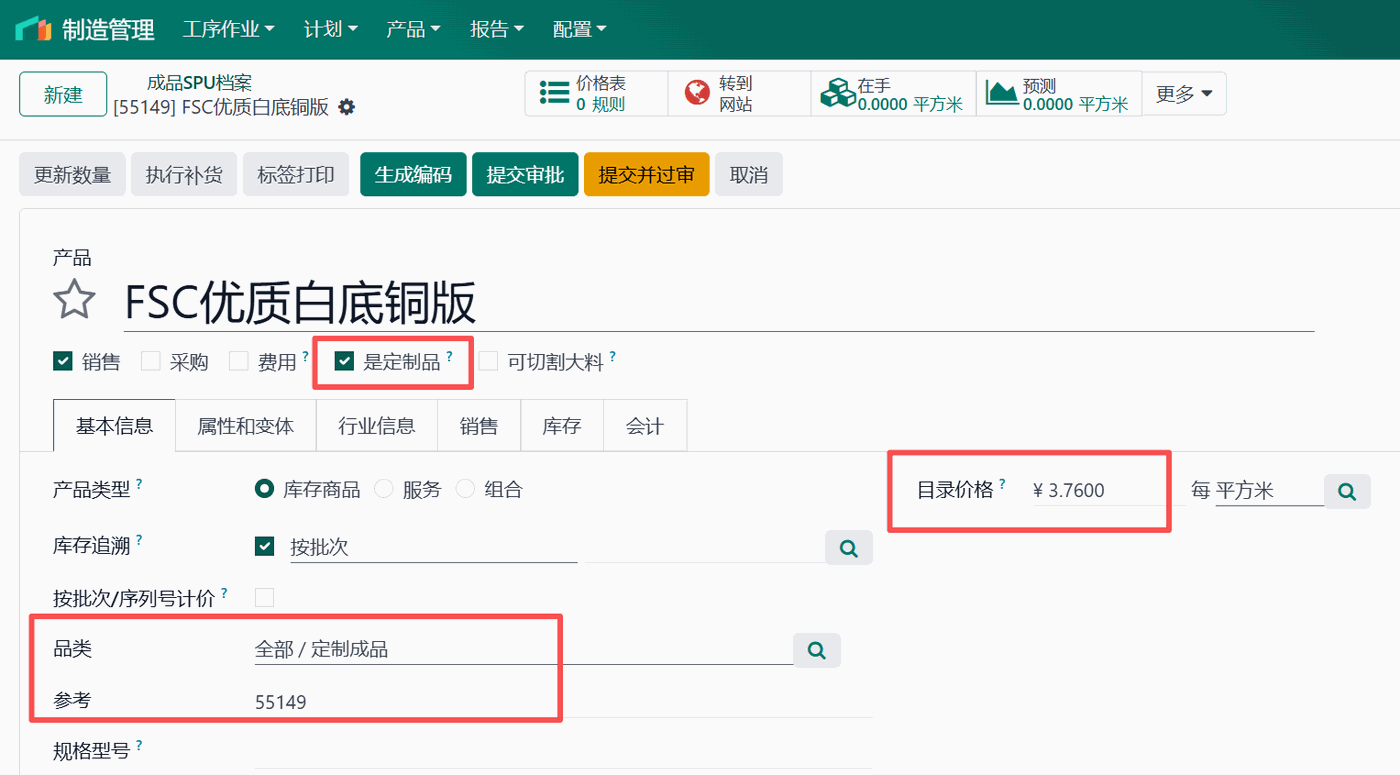
Custom parameters can be dynamically configured. For example, in the printing industry, we configure custom length, custom width, and the number of rolls/sheets required by the customer. For steel pipes, we can define attributes such as diameter and length. These parameters are passed throughout the ETO mode to documents related to production planning and procurement requirements. Based on our experience with numerous custom production customers, we have developed an independent dedicated module that can be adapted to your industry through configuration alone, without development.
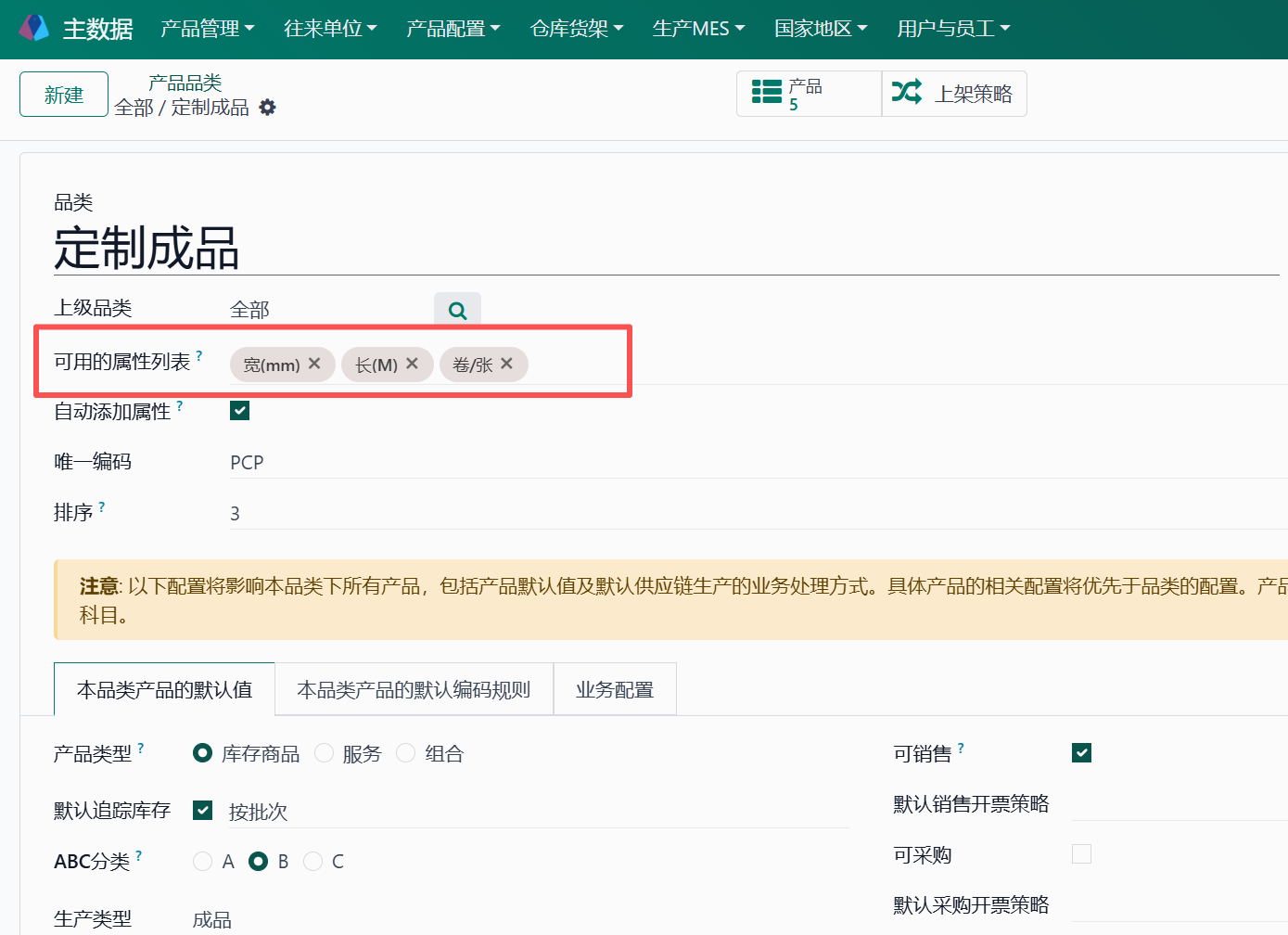
Various required information is built into the industry information bar, and users can also customize it and pass it through the entire process.
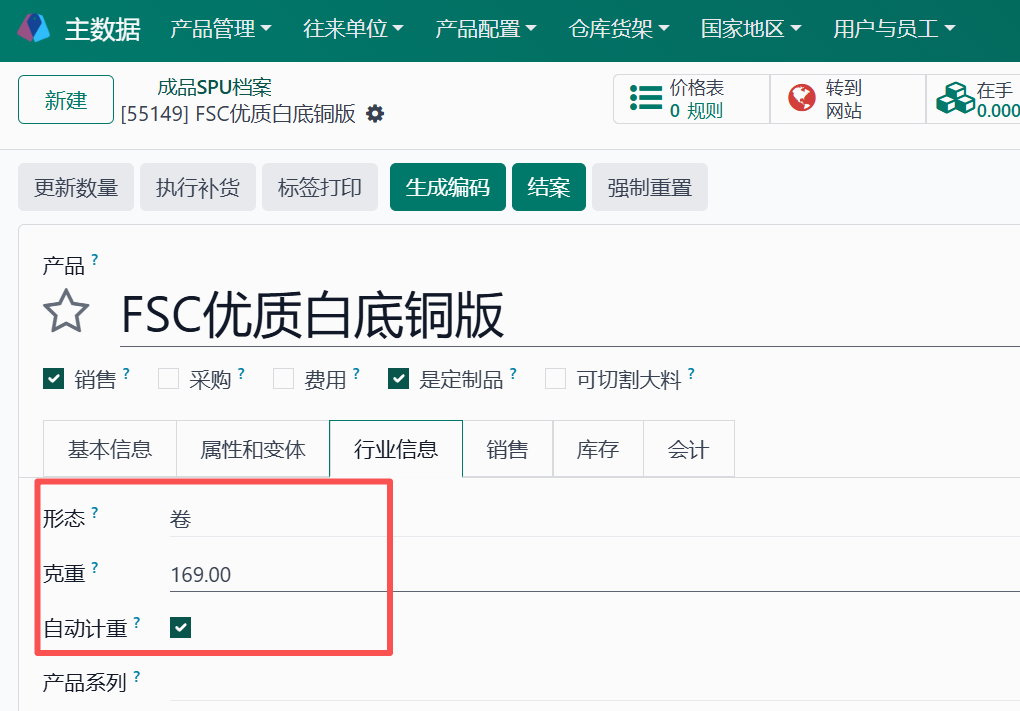
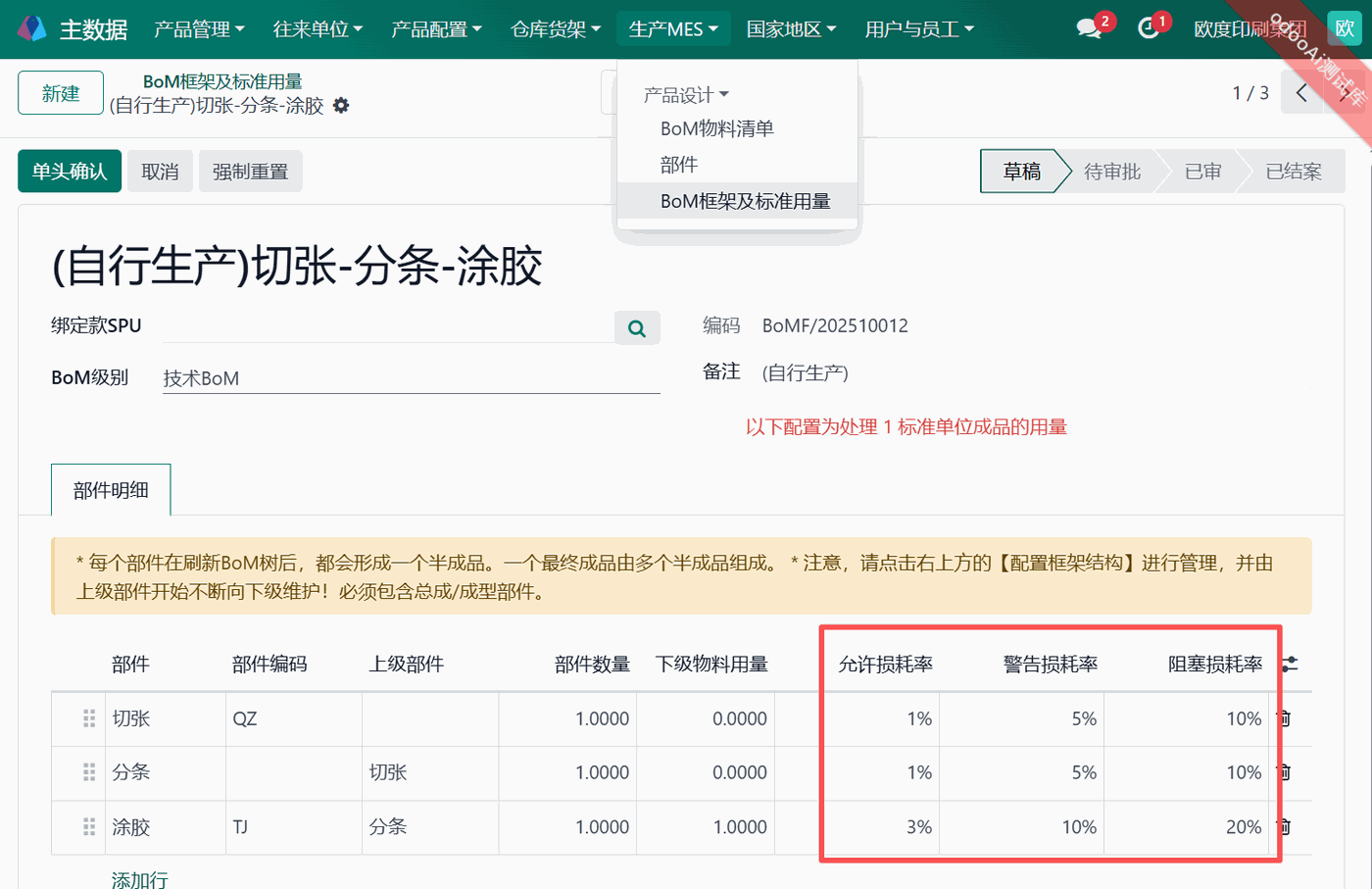
The BOM framework defines the relationship and default values between finished product and semi-finished product BoMs. It can refresh the associations and attributes of specific component Spu products, as well as the consumption of lower-level materials.
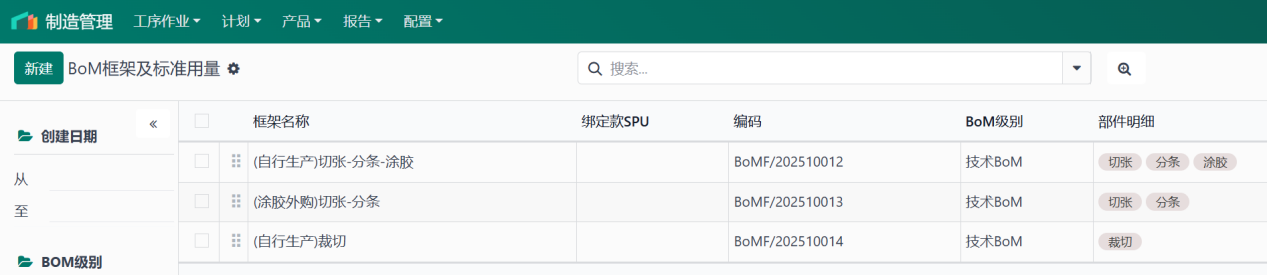
Related material usage data and loss rates can be maintained
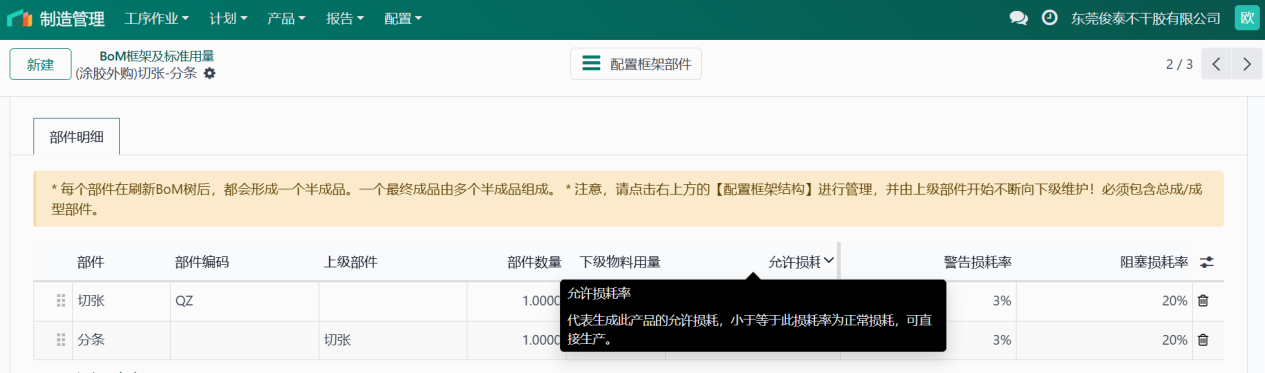
During BoM design, simply import the framework to quickly generate a tree-structured multi-level BoM and clearly understand the product structure.
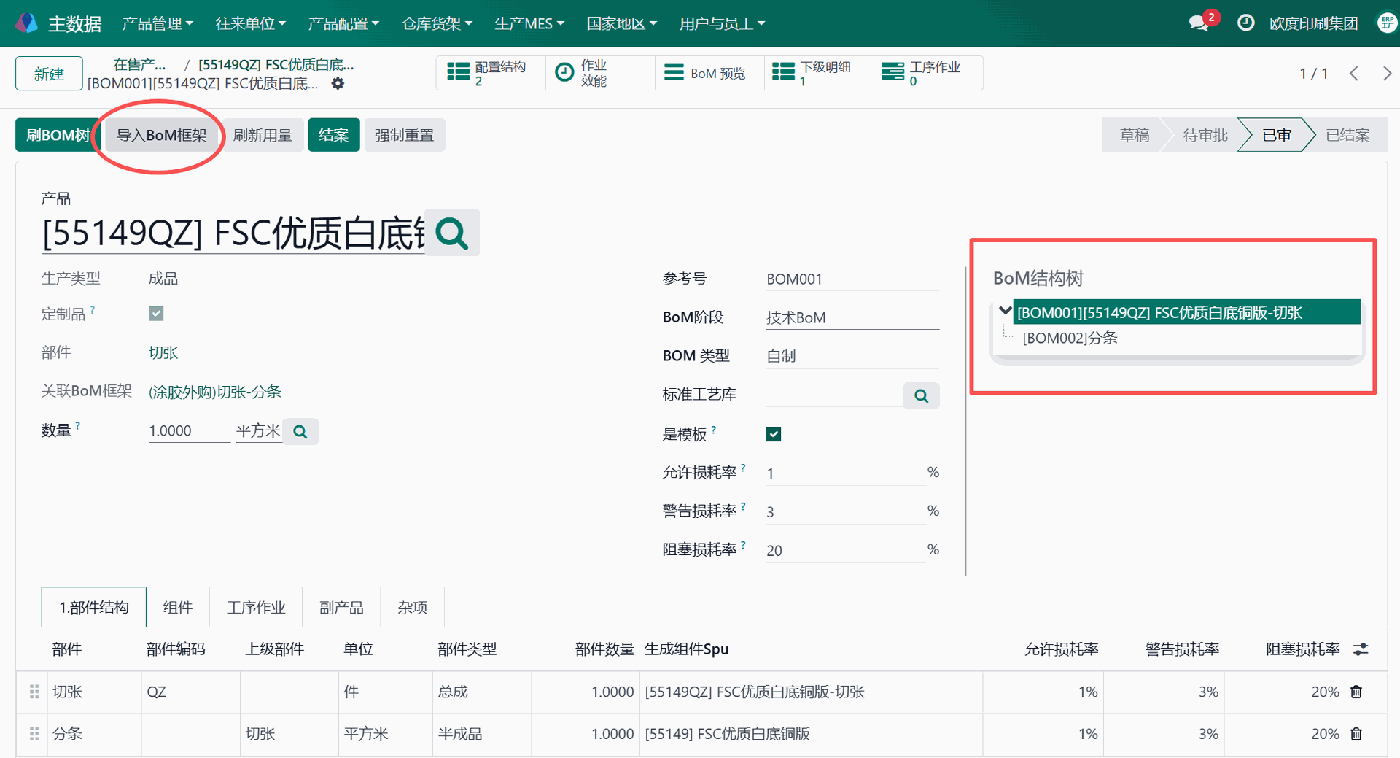
In the BoM, manage each finished product at each stage with different standard production loss rates, meaning different semi-finished products have different loss rates. Different loss thresholds can trigger different approval processes or reject production.
Sales
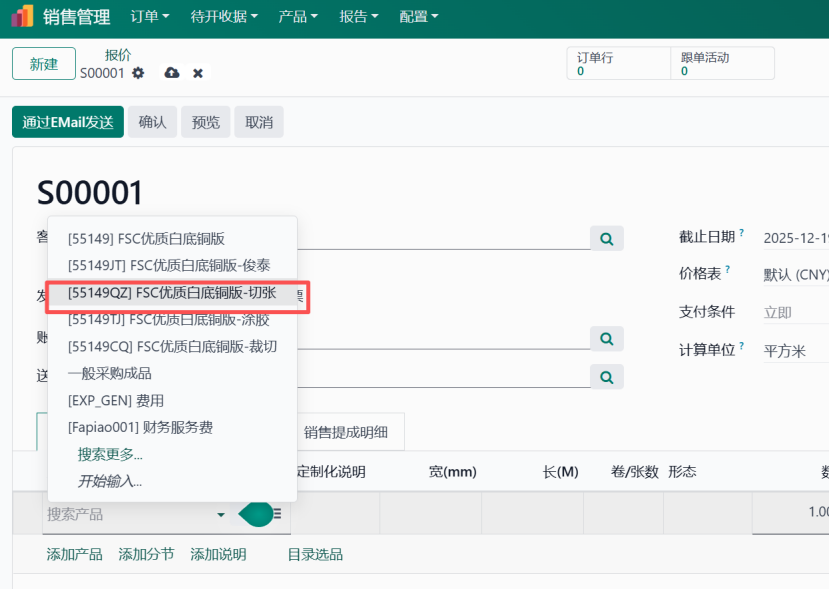
Enter custom width, length, roll/sheet and other parameters, and the system will automatically calculate quantity and price.
Each sales order line generates one production order. If combined production is required, the sales order must be merged into a single sales order line. For example, different packaging methods for cut sheets should be combined into one line for ordering, and the packaging specifications should be explained in the customization notes.
PMC
Production planning uses the same latest BoM by default
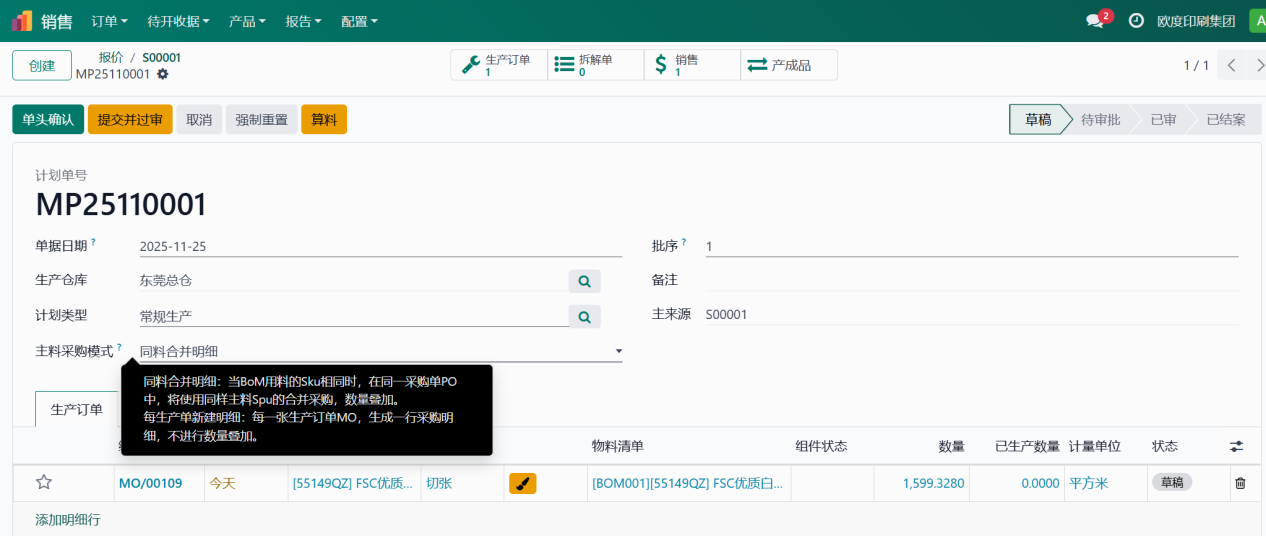
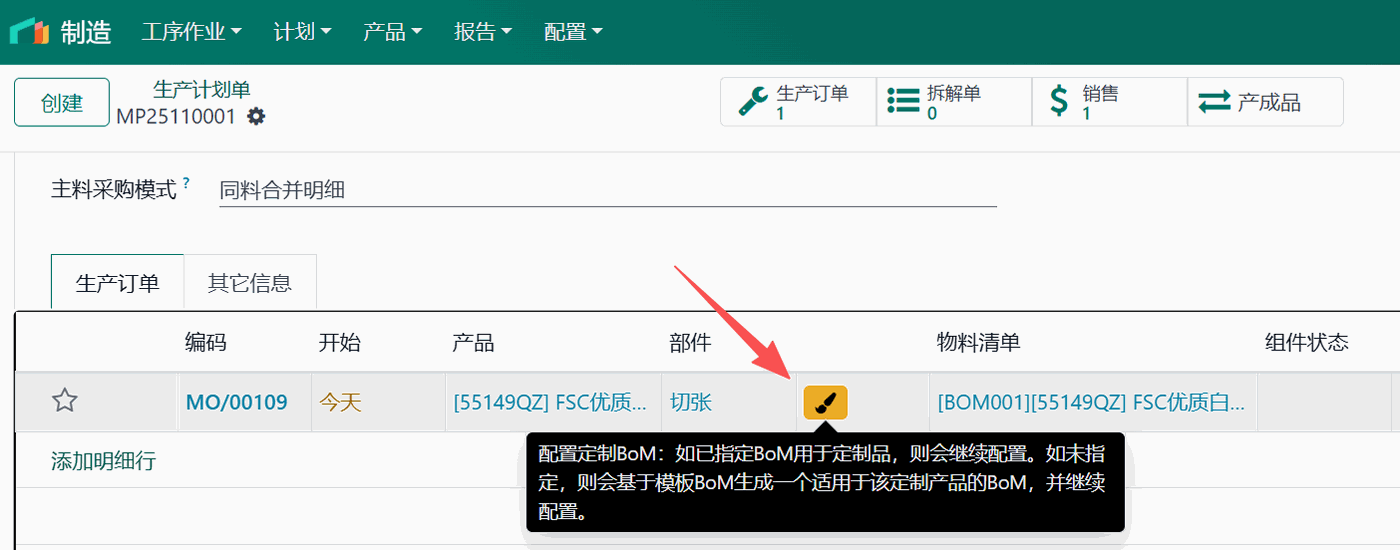
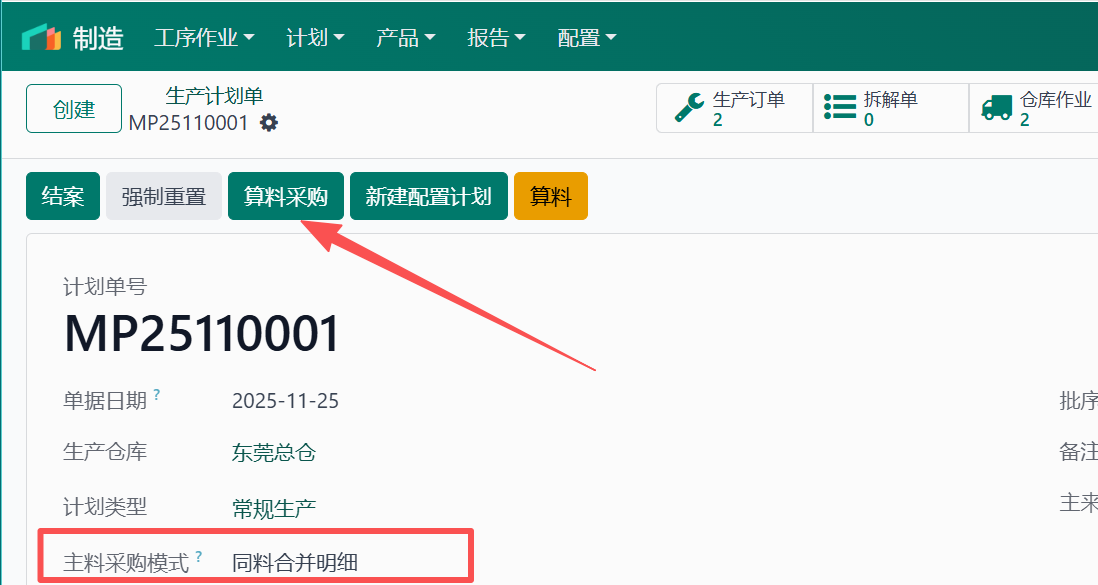
Production planning automatically calculates materials

MRP calculates material procurement and pushes down semi-finished product production
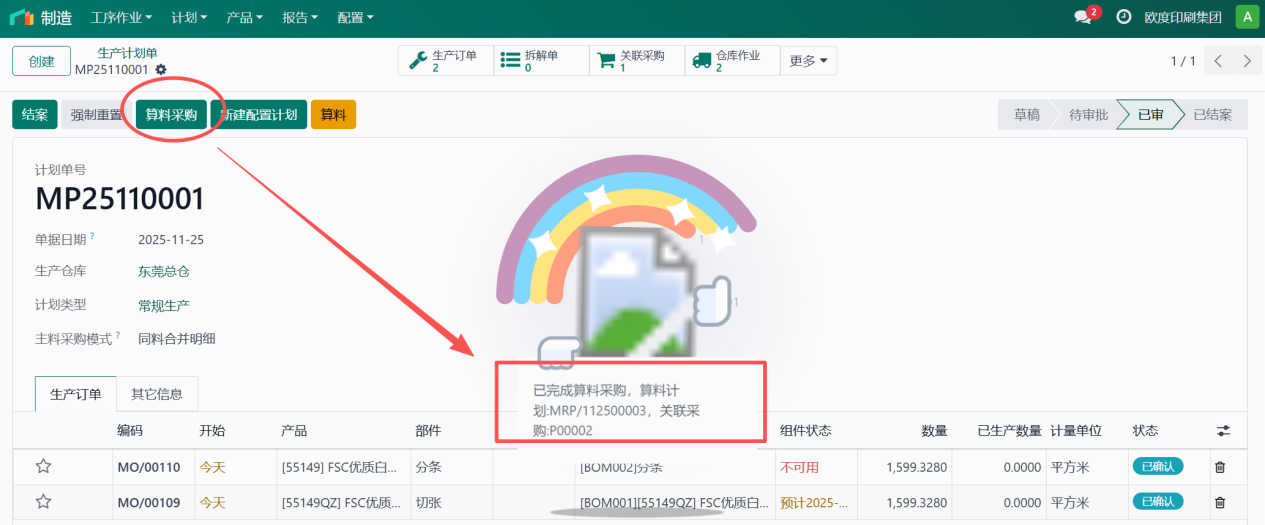
Production
The system automatically calculates the loss rate and corresponds to the relevant approval process.
Related finished products and in-stock remnants throughout the entire process are fully visible

Finished products (including remnant output) are
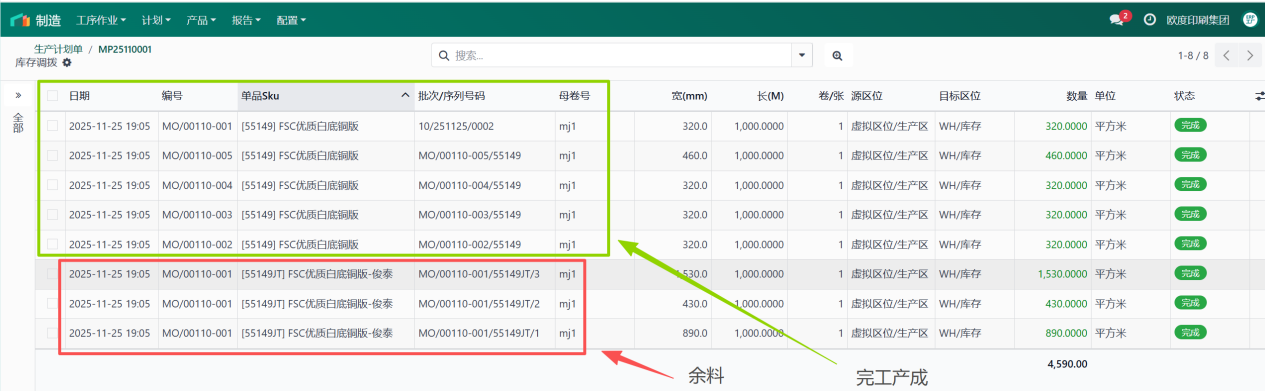
In-stock remnants

Loss rate
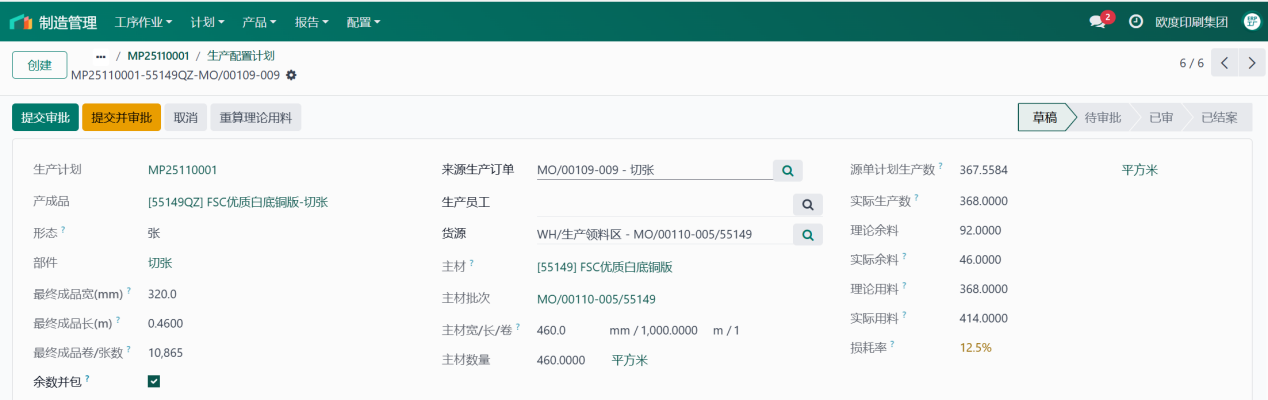
Full traceability

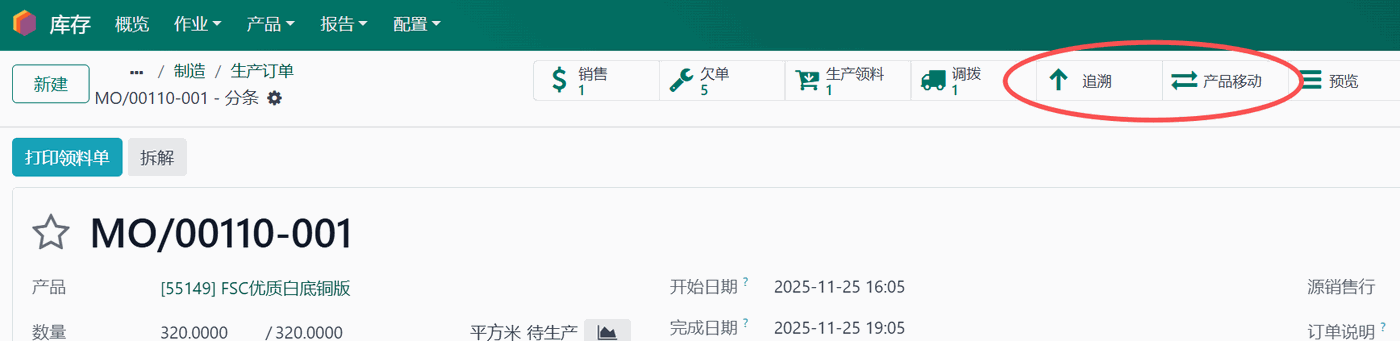
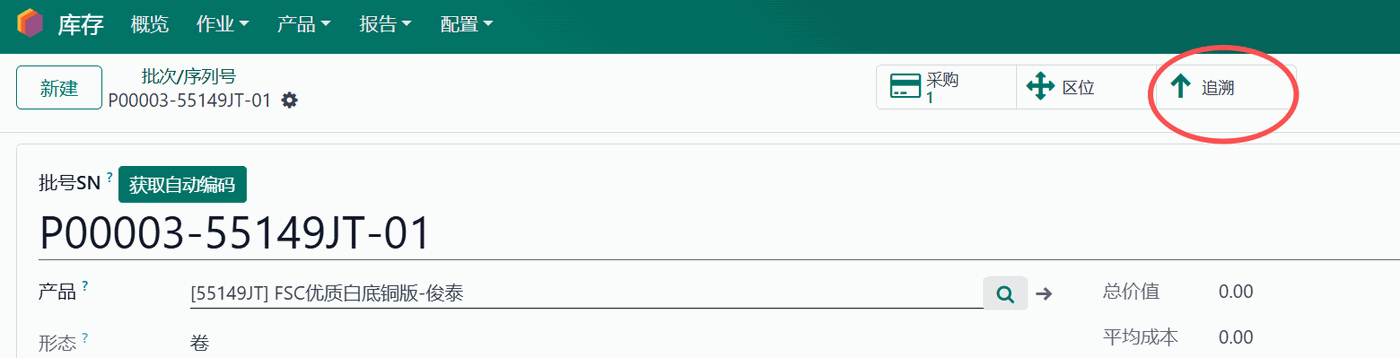
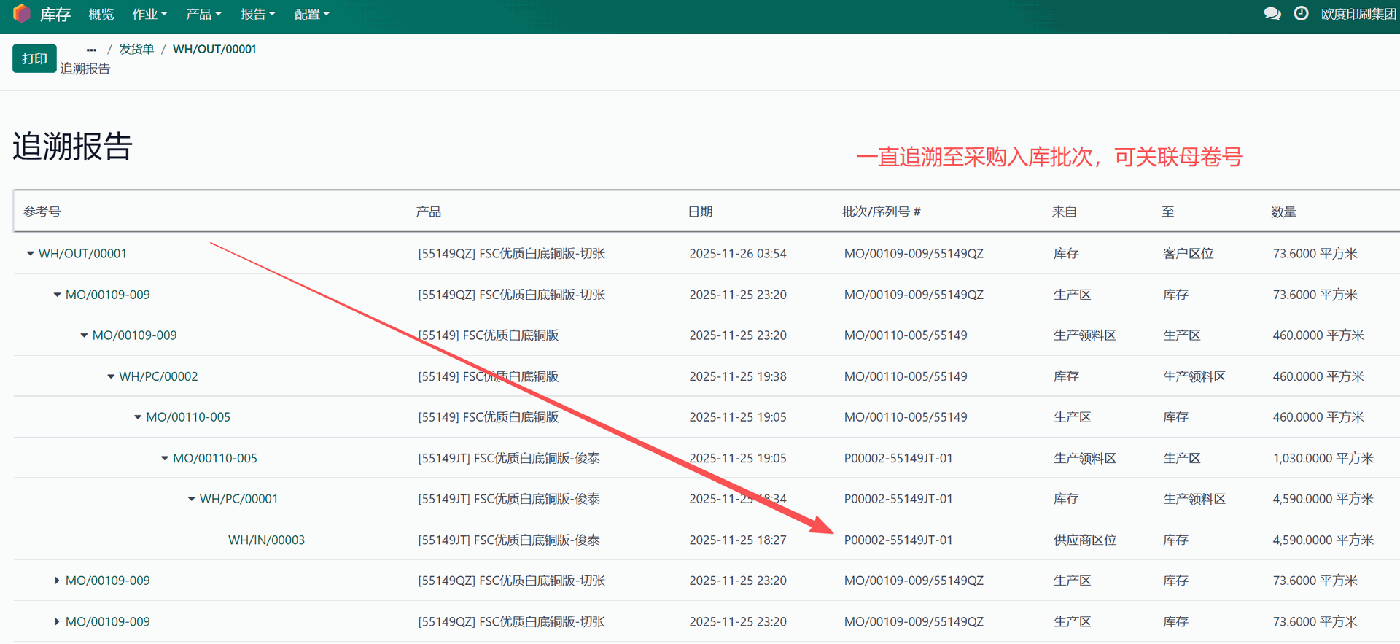
For panels and non-standard cutting, remnants are also materials
Cutting orders are cut according to customer dimensions. The remnants left after cutting a sheet are often the raw material for the next order. In the system, remnants are created as materials with specifications and storage locations. The cutting plan writes back the actual material used and remnants. During MRP calculation, remnant inventory is checked first before deciding on procurement.
Loss rates are set by material and thickness, and exceeding the threshold triggers approval. This way, the material cost of each order can be calculated clearly, and remnants will not pile up in the corner of the workshop unattended. In the cutting industry, non-standard manufacturing ERP first manages remnants.
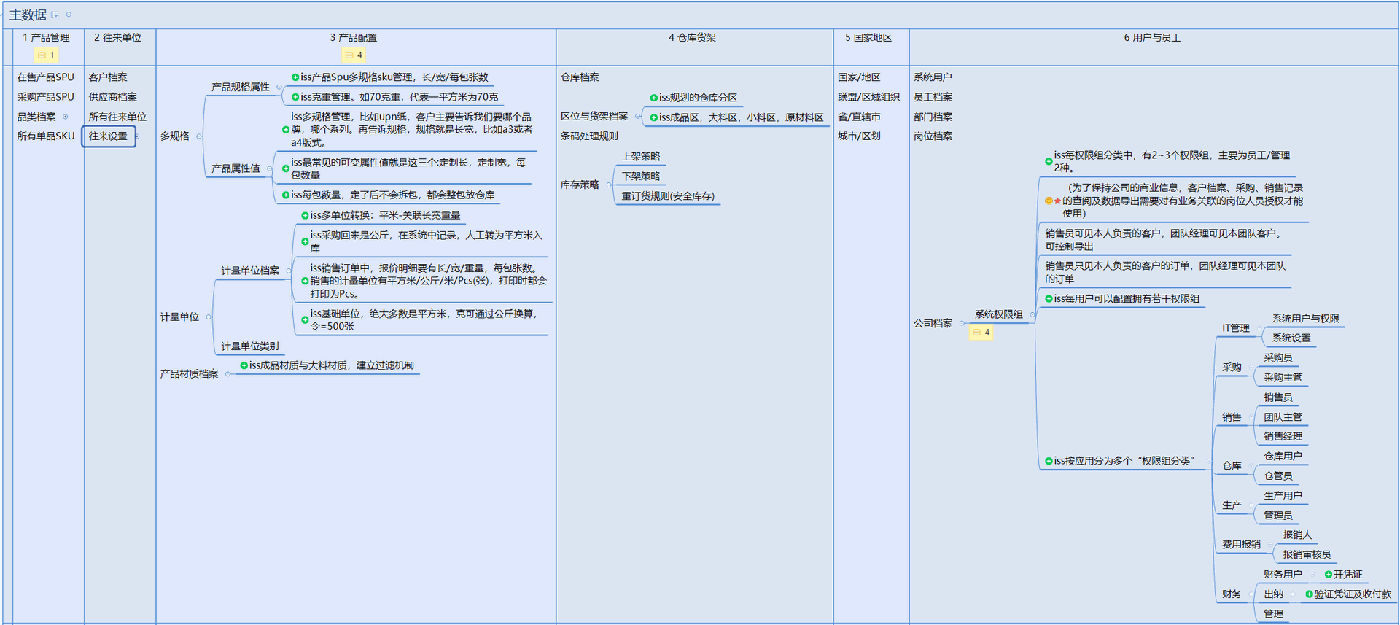
Feature Overview
Master Data
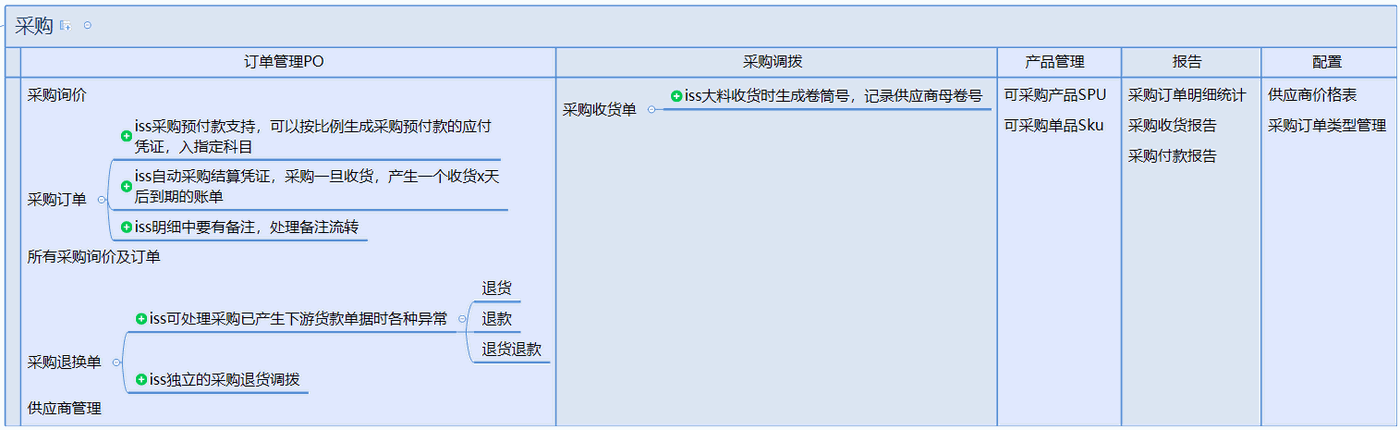
Purchasing
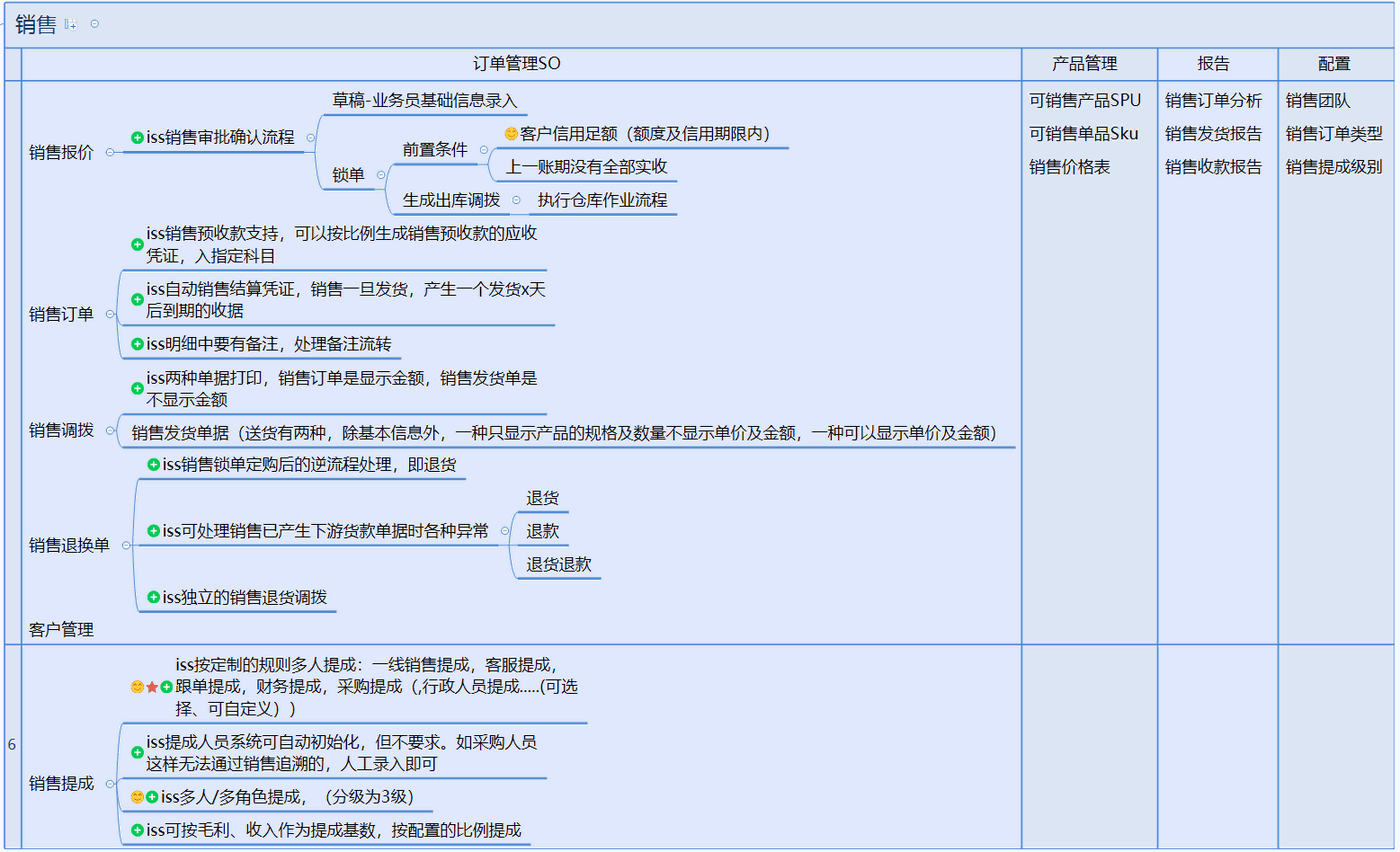
Sales
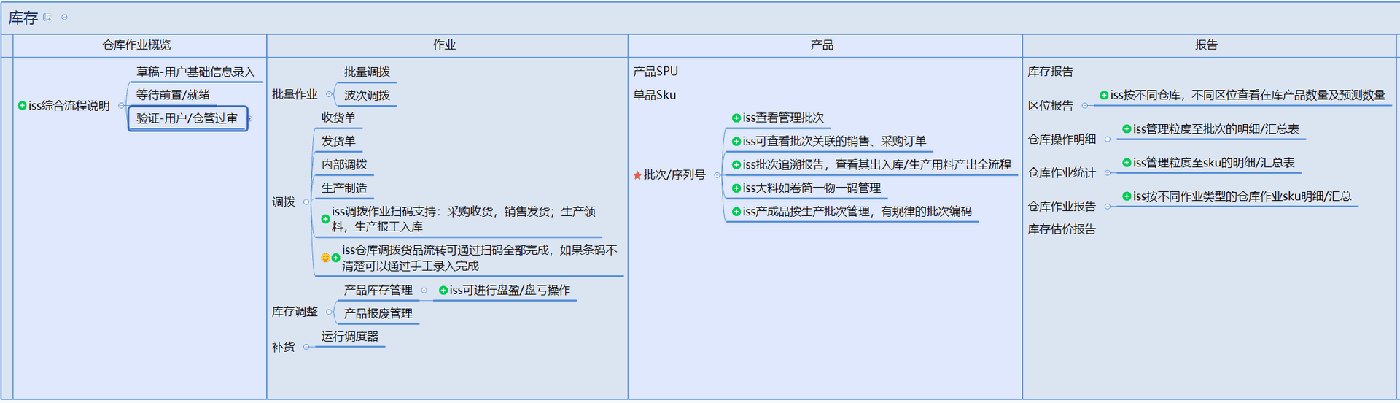
Inventory
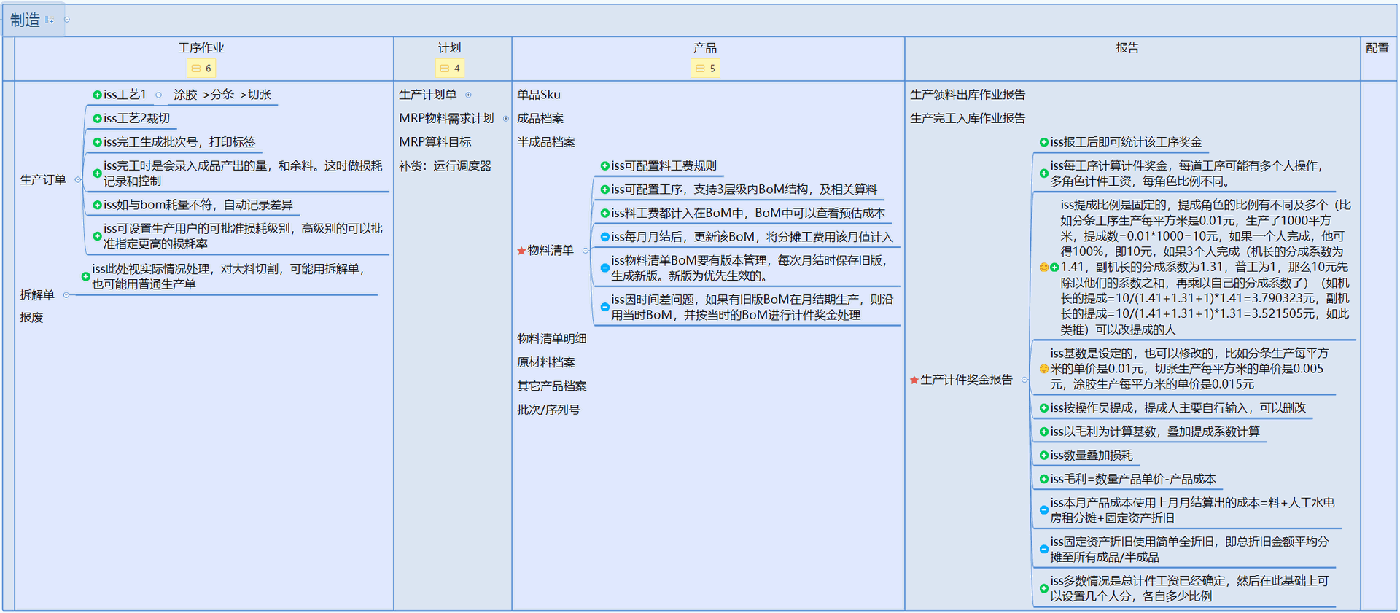
Manufacturing
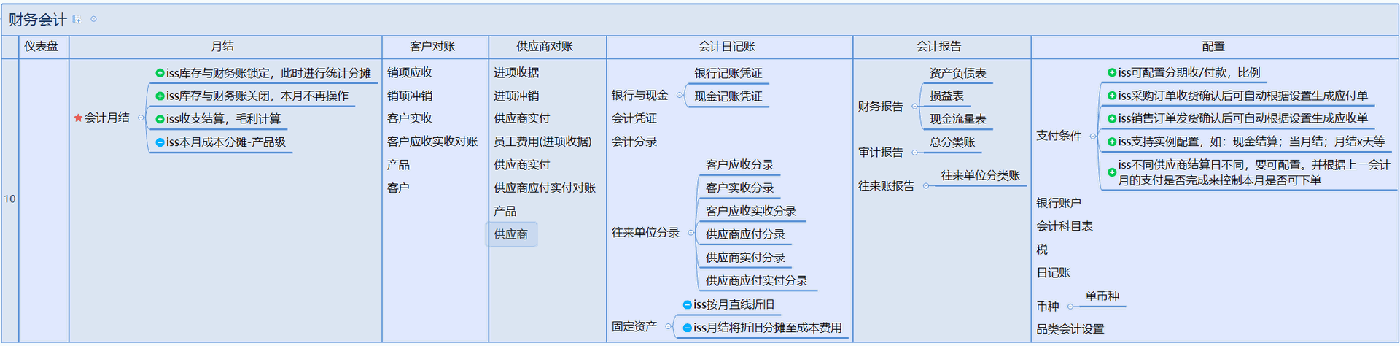
Finance
Custom Documents
