Non-standard manufacturing is dominated by customized, small-batch, multi-variety production models, and its core characteristics include a high degree of customization, complex product design, frequent design changes, and the complexity of on-site installation and commissioning. These characteristics determine the high requirements of non-standard manufacturing for information-based management, especially in project-based management, product lifecycle management (PLM), and engineering management. As an open-source, modular, and highly integrated ERP system, Odoo can effectively support the complex needs of non-standard manufacturing. We will analyze in detail the application of Odoo in non-standard manufacturing, especially the functions and value of project-based management, PLM, and engineering management.
Core Industry Pain Points:
Project progress is difficult to track
Frequent design changes lead to data chaos
Low cross-department collaboration efficiency
Difficulty in cost control and resource allocation
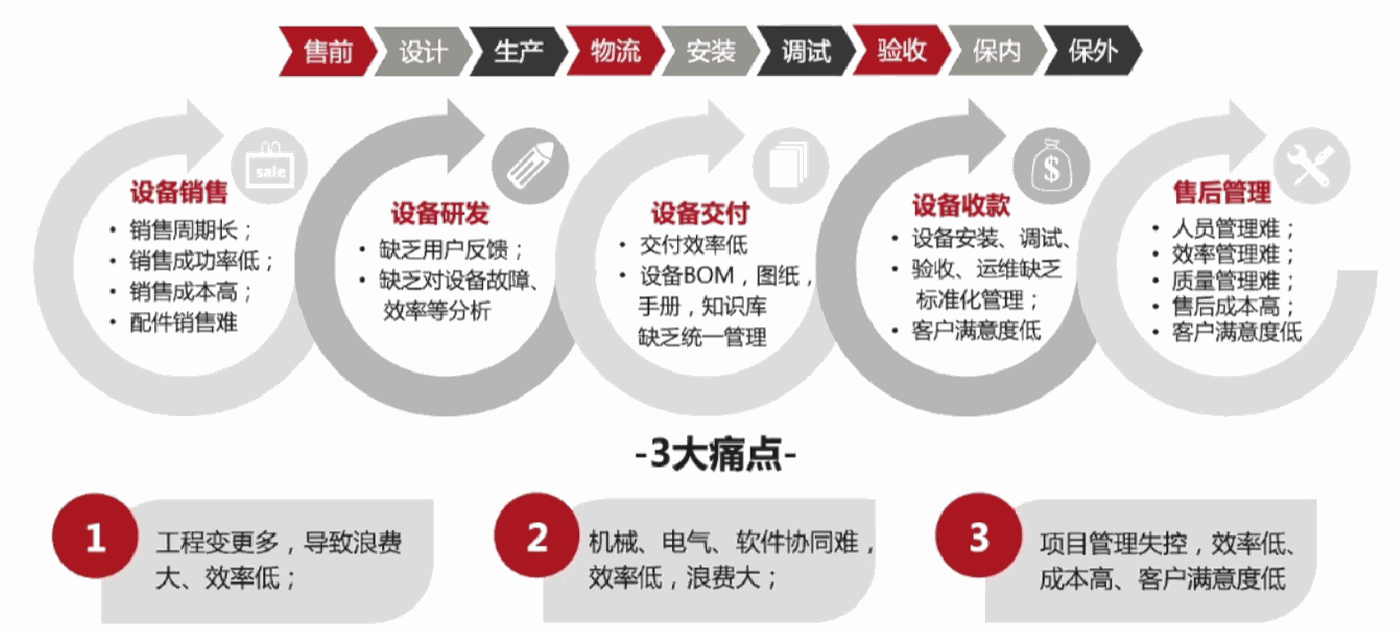
Features and Requirements
The core features of non-standard manufacturing are as follows. These features determine the strong demand for project management, PLM, engineering management, and maintenance services in non-standard manufacturing, and Odoo can well meet these needs.:
l Highly customized: Diversified product designs and flexible production processes.
l Project-based management: Production and management are carried out on a project basis, and each project has unique requirements and processes.
l Complex product data management: Requires managing a large number of design drawings, BOMs (bill of materials), process documents, etc.
l Frequent design changes: Customer requirements change quickly, design changes are frequent, and change processes need to be managed efficiently.
l On-site installation and commissioning: Products usually need to be installed and commissioned at the customer site, and engineering management is complex.
l On-site maintenance: Products usually require maintenance and repair by the manufacturer during subsequent use, involving work order management and maintenance cost accounting.
Success Stories
Case: Non-standard Custom Furniture Manufacturing Enterprise
Project Background:
The enterprise has a wide variety of products and frequent design changes, and traditional management methods have led to data chaos and low production efficiency. At the same time, it needs to integrate with cutting software for precise cutting and material calculation, and manage a large number of design drawings and BOMs, which traditional methods cannot meet. The industry is characterized by the need for manufacturers to arrange transportation and entry for all products, and to perform on-site installation and commissioning. The work is complex, and traditional management methods have led to installation delays and customer complaints. After introducing Odoo, the enterprise adopted a global engineering management view, providing an overview of the entire process from a single order. The project covers inventory management, supply chain, PMC, MES, PLM, QC, full-process barcode traceability, and project cost collection and carry-forward.
See also:Odoo Renovation Engineering Project Management
Engineering Project Module - Centralized management of all product data and automated design change processes.
Production + PLM + MES Module - 30% increase in design efficiency, 50% reduction in change implementation time, and 20% decrease in production error rate. Achieves centralized management of design documents and automated BOM generation.
Field Service Module - Detailed scheduling of installation plans and real-time collection of on-site data. 25% increase in installation efficiency, 30% reduction in customer complaints, and significantly improved customer satisfaction.
Product Lifecycle Management (PLM)
Odoo's PLM module is designed specifically for manufacturing, particularly suited to the complex needs of non-standard manufacturing.
1 Design Data and Version Control
- BOM Management: Supports multi-version BOMs (Bill of Materials) and automatically synchronizes design changes to the production department.
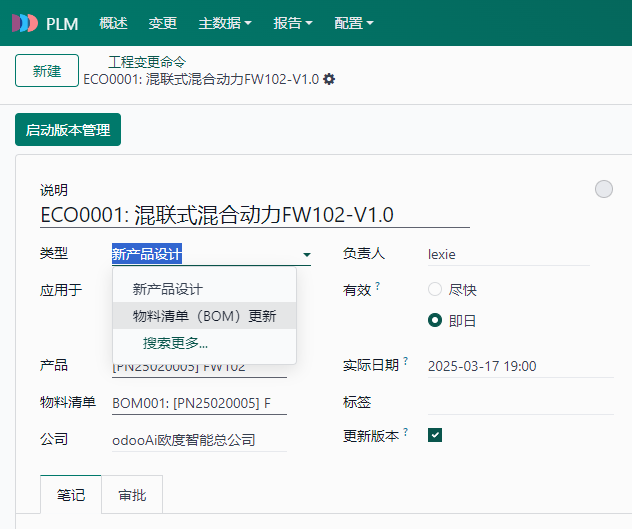
- Drawings and Documents: Centralized storage of CAD drawings and process documents, with version history traceability. Supports attachments in multiple formats.
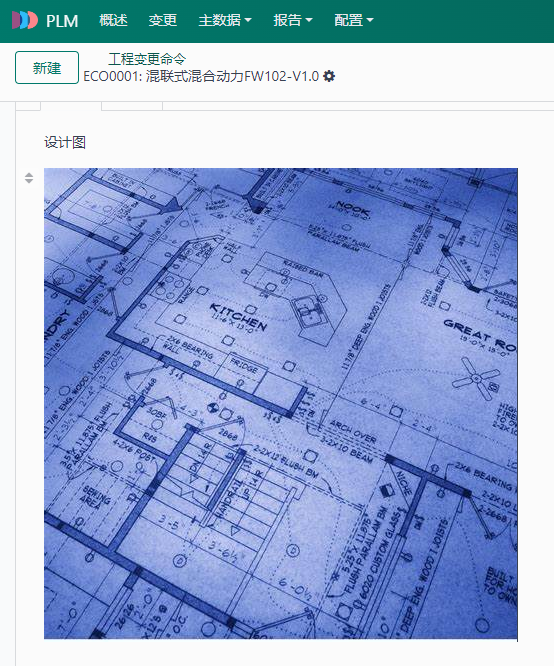
- Change Approval Process: Customizable change request and review workflows to reduce human errors.
- Product Data Management (PDM): Odoo PLM provides a unified product data management platform that supports centralized storage and version control of design drawings, BOMs, process documents, and other data.
- Engineering Change Management (ECO): Odoo PLM supports automated workflow management for Engineering Change Requests (ECR) and Engineering Change Orders (ECO), ensuring standardization and traceability of changes.
- Collaborative Design and Development: Odoo PLM supports collaborative work across design, production, procurement, sales, and other departments, ensuring real-time information sharing.
- Seamless Integration with ERP System: The PLM module integrates seamlessly with Odoo's MRP, inventory, purchasing, and other modules, ensuring design data can be directly transferred to production planning, reducing duplicate data entry and errors.
2 Collaborative Design and Supplier Integration
External designers and suppliers can provide real-time feedback on design issues through portal access permissions.
production management
1 Process Routing and Production Scheduling
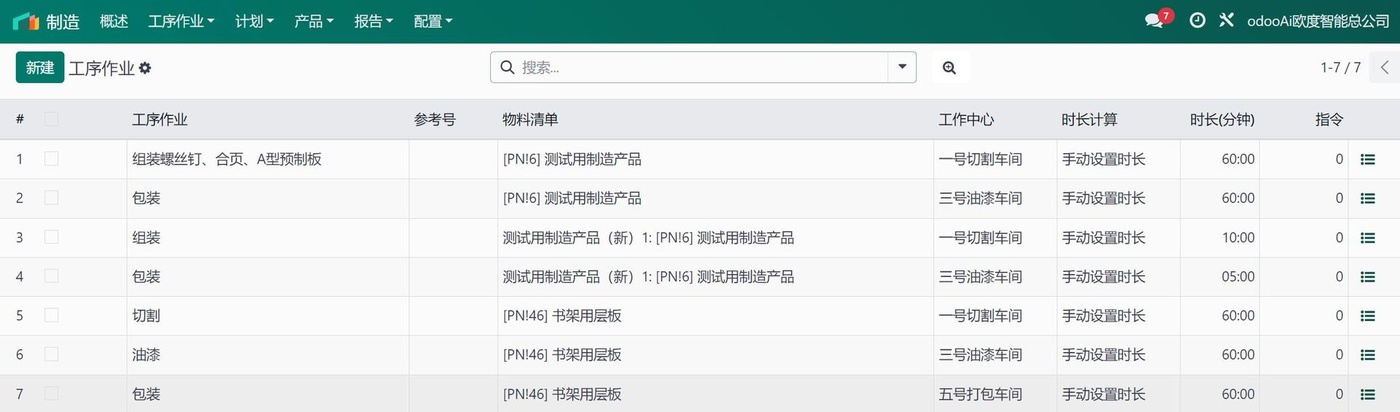
- Dynamic Process Routing: Automatically generates process steps (such as welding, assembly, inspection) based on order requirements.
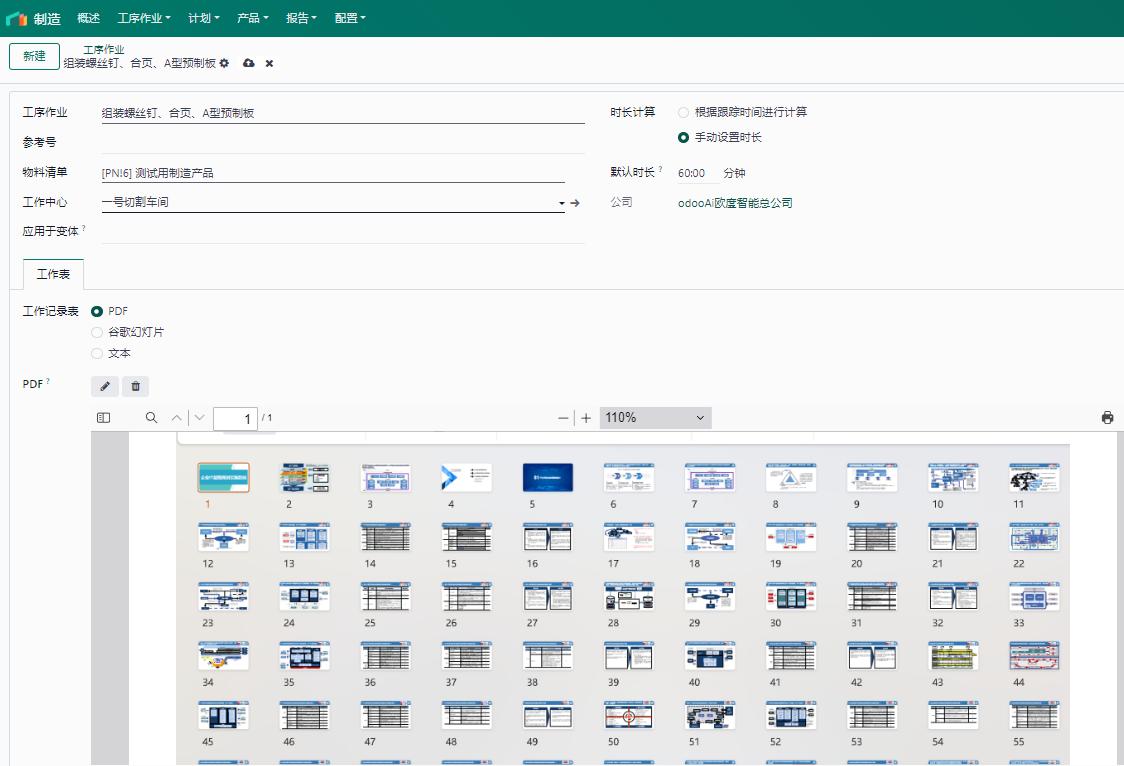
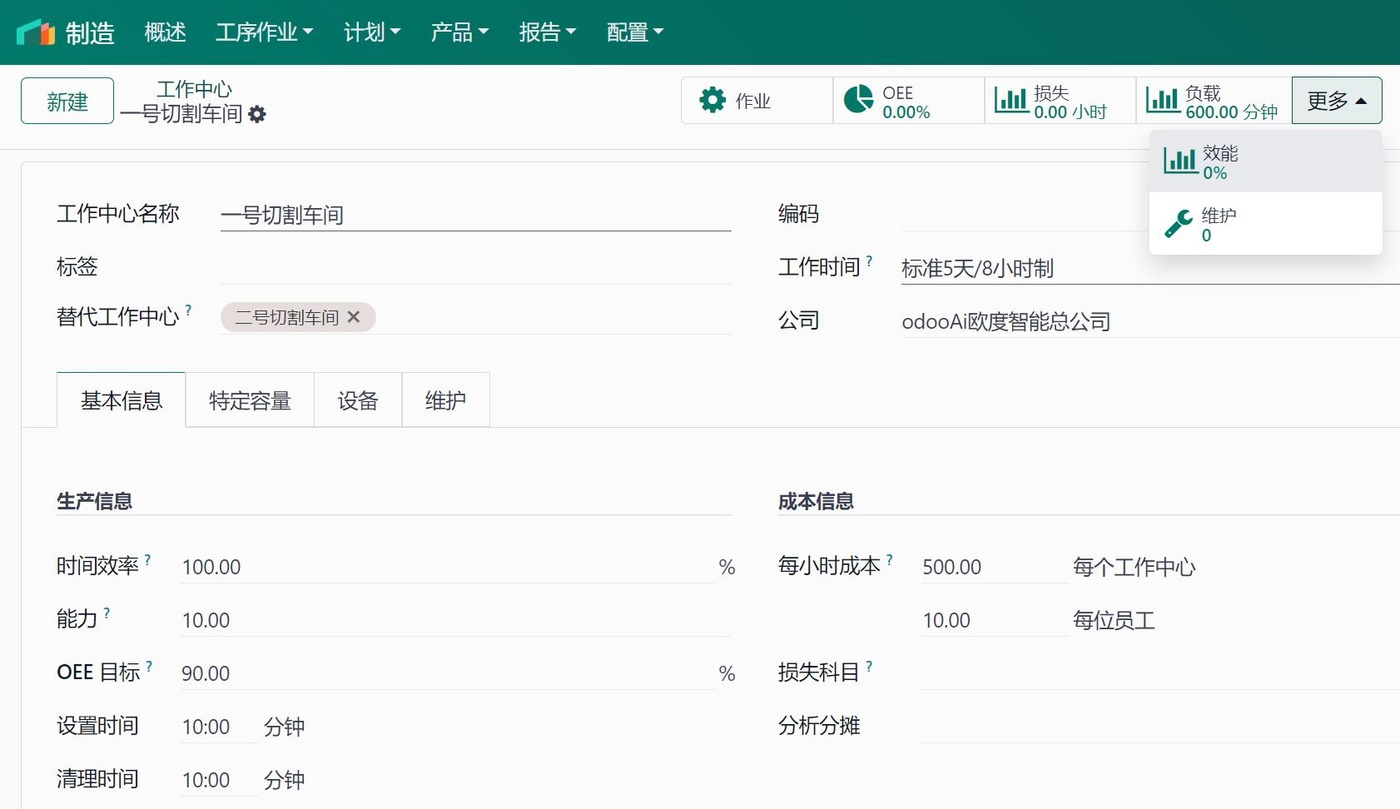
- Advanced Planning and Scheduling (APS): Optimizes production plans based on equipment load and delivery deadlines.
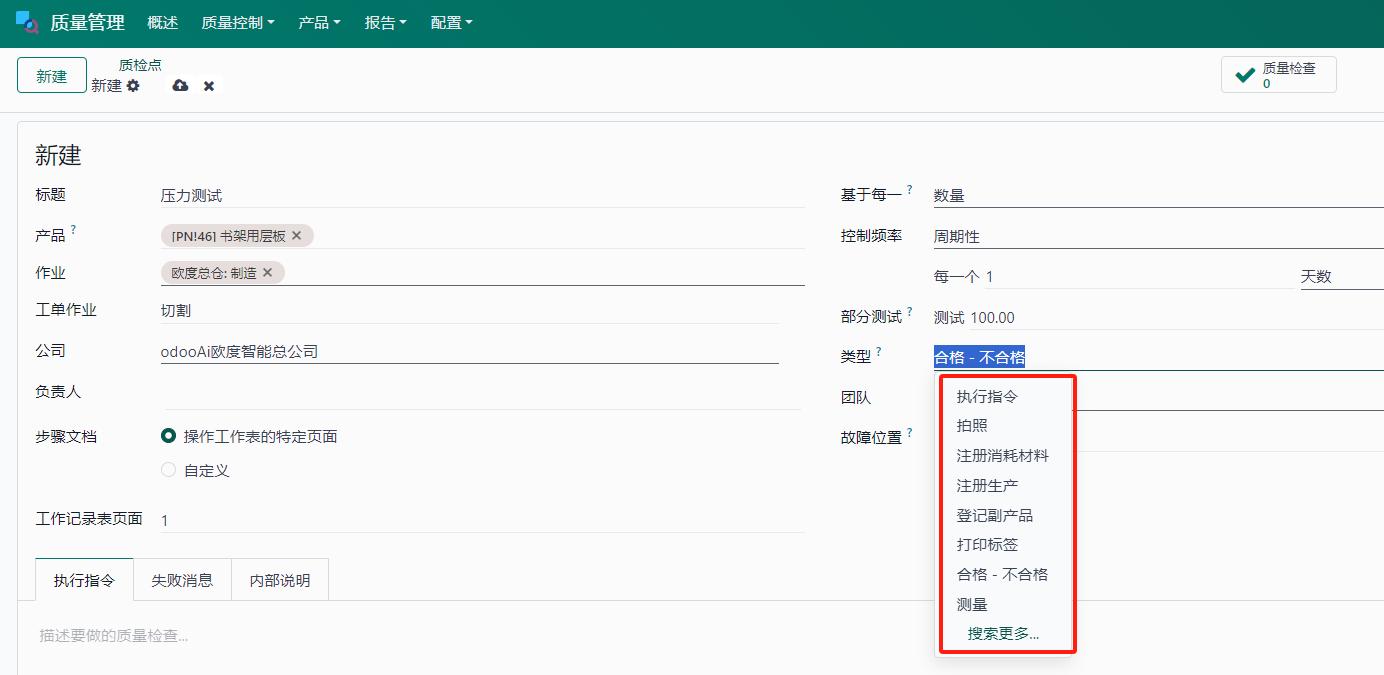
- Quality Management and Traceability
Quality inspection templates: define key quality inspection points (such as pressure testing and dimension verification).
- Batch traceability: link design, production, and after-sales data via QR codes.
On-site Management and Maintenance
Odoo's engineering management module effectively supports the on-site installation and commissioning needs of non-standard manufacturing.
- Installation planning and scheduling: Odoo supports creating detailed installation plans and scheduling relevant personnel and equipment to ensure installation work is completed on time.
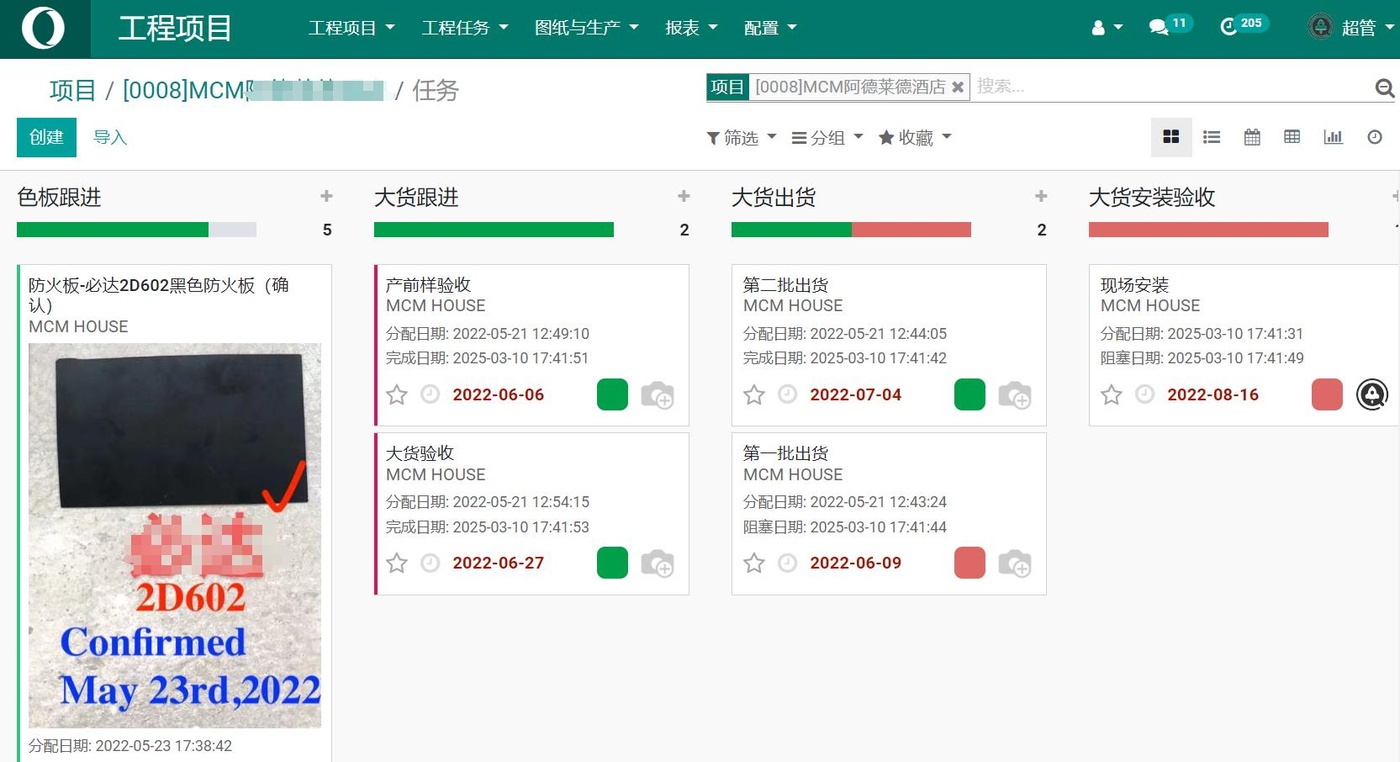
- On-site data collection: Through mobile applications, on-site personnel can collect and upload installation data and images in real time, ensuring data accuracy and timeliness.
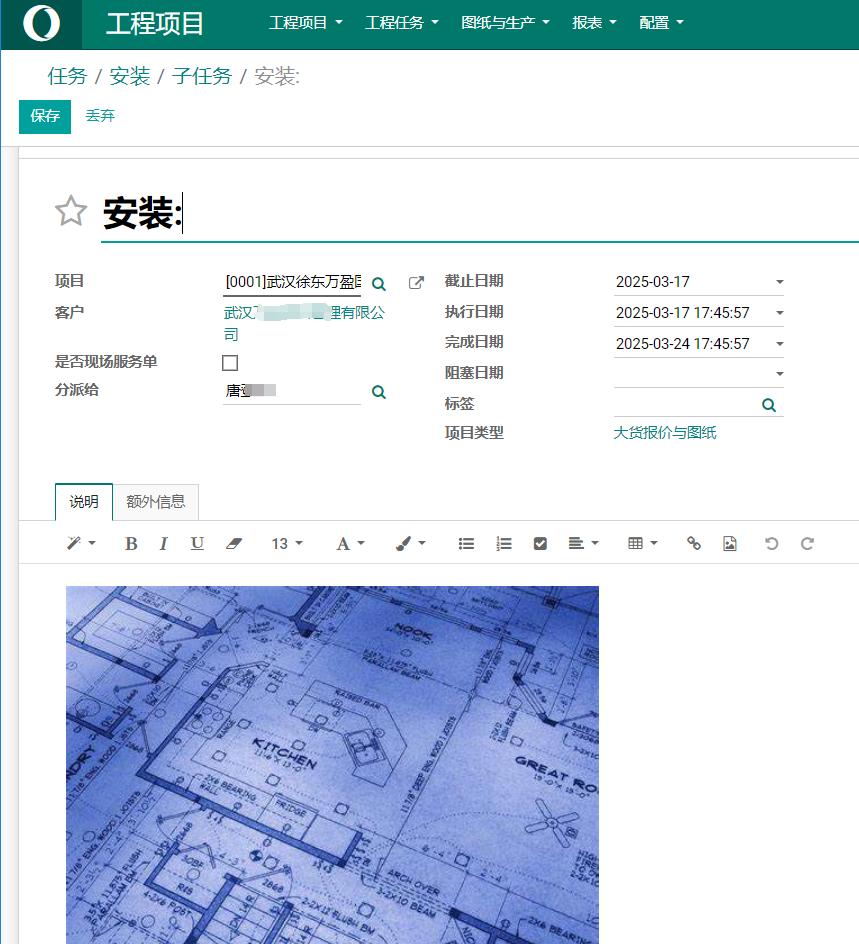
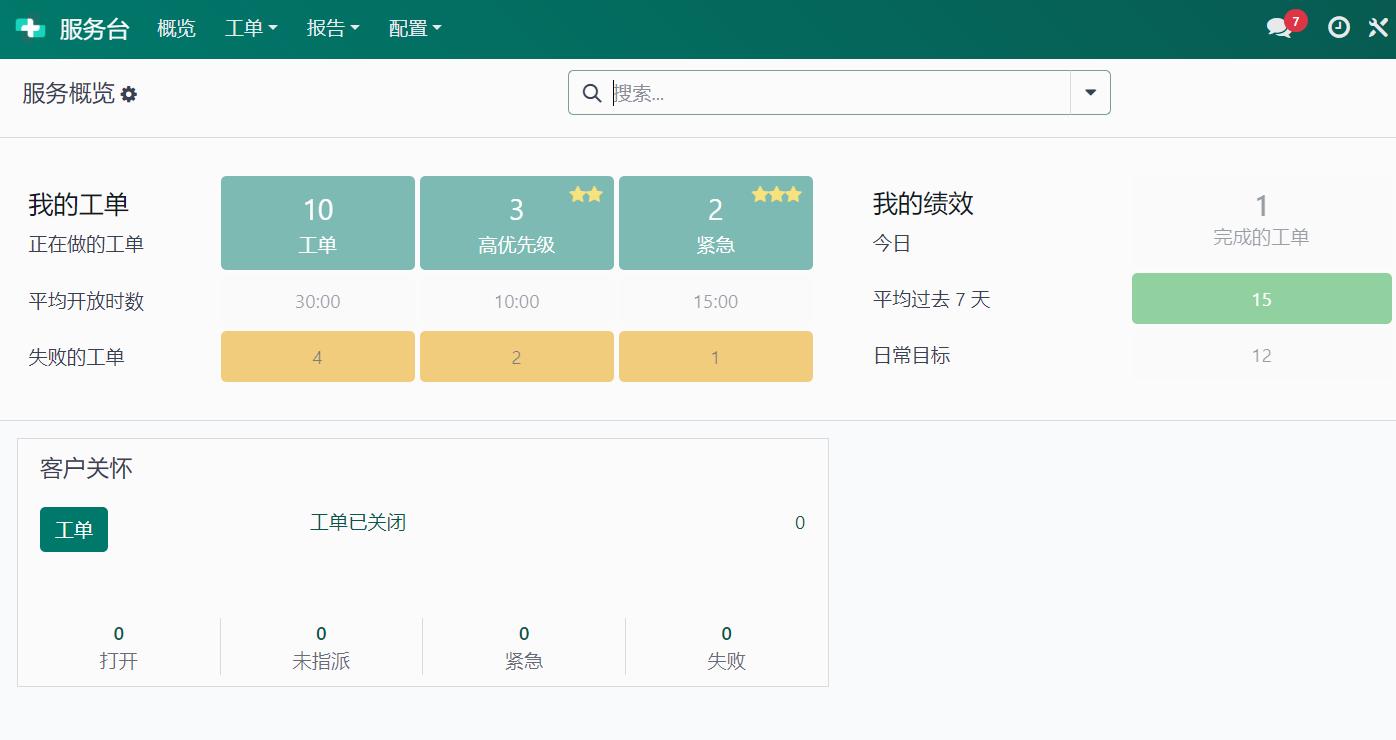
- Issue tracking and resolution: Odoo supports creating and tracking on-site issues, ensuring timely resolution and reducing installation delays.
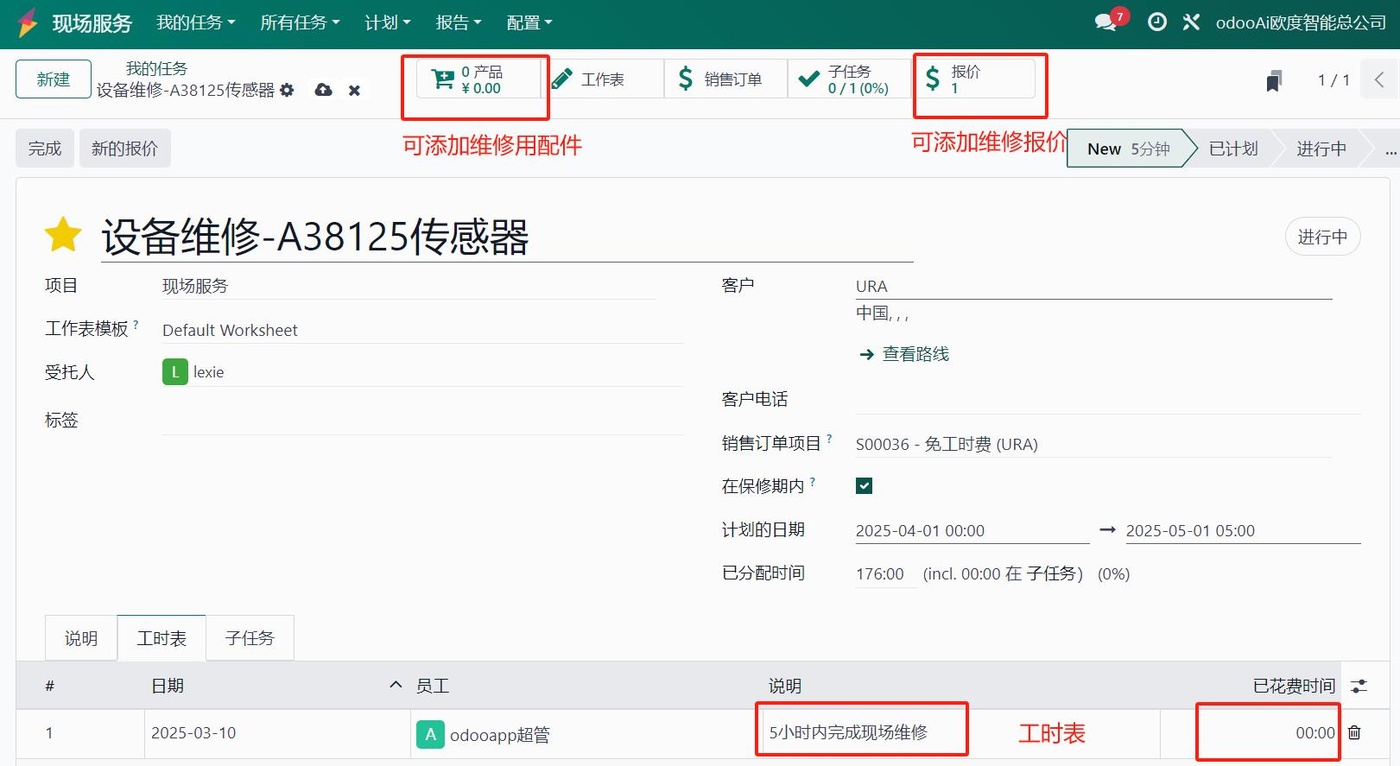
- Repair and maintenance: supports warranty periods, quotation and inventory synchronization for spare parts updates, and on-site service timesheets.
- Customer feedback management: Odoo supports collecting and managing customer feedback to help enterprises improve products and services.
The Application Value of Odoo in Non-standard Manufacturing
- Improve project management efficiency: Through detailed project planning, task assignment, and progress tracking features, Odoo can significantly improve project management efficiency and ensure projects are completed on time.
- Reduce design change risks: Through automated change processes and impact analysis features, Odoo PLM can help enterprises reduce the risks associated with design changes and ensure smooth implementation of changes.
- Improve engineering management quality: Through installation planning, on-site data collection, and issue tracking features, Odoo can improve the quality of engineering management and reduce installation delays and customer complaints.
- Enhance departmental collaboration: Through multi-department collaboration and task tracking features, Odoo can enhance collaboration among design, production, procurement, engineering, and other departments, improving overall operational efficiency.
- Support customization needs: Odoo's flexibility and customizability can well meet the diverse needs of non-standard manufacturing and help enterprises achieve personalized management.
Odoo Services
l Low-cost solution: Odoo's open-source advantages and low-cost characteristics fully adapt to non-standard manufacturing enterprises.
l Rapid implementation: standardized implementation templates shorten the implementation cycle.
l Deep customization: personalized solutions to meet the complex needs of large enterprises.
l Integration services: can integrate with existing systems to ensure seamless data connection.
l User Training: Comprehensive training to help enterprises get started quickly.
l Technical Support: A professional technical support team that resolves customer issues promptly.
Before launching a non-standard manufacturing ERP, first define four types of data
How to number projects, how to name one-order-one-BOM, who publishes drawing and BOM versions, and how to return leftover and supplementary materials—if these four things are not defined, you will still go back to Excel after the system goes live.
It is recommended to first walk through three typical orders: from quotation, design, procurement, production to on-site installation, clearly write down the fields to be filled and the responsible persons for each step, and then decide which ones to put into Odoo and which ones to keep in specialized software. A non-standard manufacturing ERP is not about moving processes online, but about first straightening out the processes themselves.
Conclusion
Odoo, through modular design (projects, PLM, MRP, etc.), provides flexible and low-cost digital solutions for the non-standard manufacturing industry, and is especially suitable for customized production enterprises. In the future, it can. Its application in non-standard manufacturing, especially in project-based management, PLM, and engineering management, can effectively solve the core management pain points of enterprises. Through detailed project plans, automated design change processes, and efficient engineering management functions, Odoo can significantly improve operational efficiency and management levels, helping the non-standard manufacturing industry achieve digital transformation and intelligent upgrading. As the demand for informatization in non-standard manufacturing continues to grow, Odoo can further cover the entire value chain from design to service through ecosystem expansion, and its application prospects will be even broader.