Integrated general ledger, accounts receivable/payable, multi-currency, multi-tax, and multi-company accounting; costs are collected by project, order, and department; vouchers and reports meet cross-border compliance and audit requirements.
Related solutions:Open Source ERP + Open Source MES Integration · Free Trial

Unleash endless potential


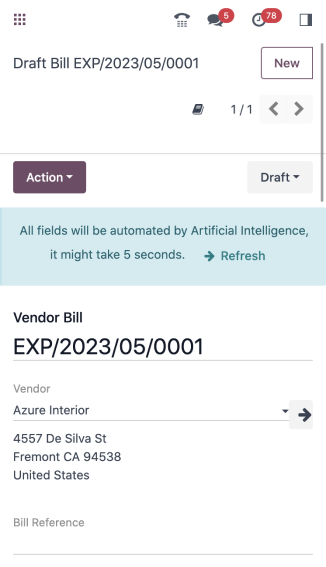
Just 5 seconds
to quickly log in to vendor bills
Speed is crucial. All operations are completed in less than 90 milliseconds, faster than the blink of an eye. It helps accounting staff get more work done in less time.
A swift interface that will change the game for business software.

 No data entry required!
Everything is automated


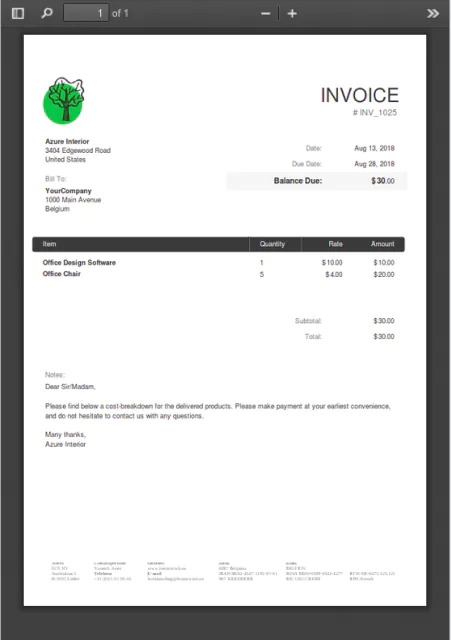
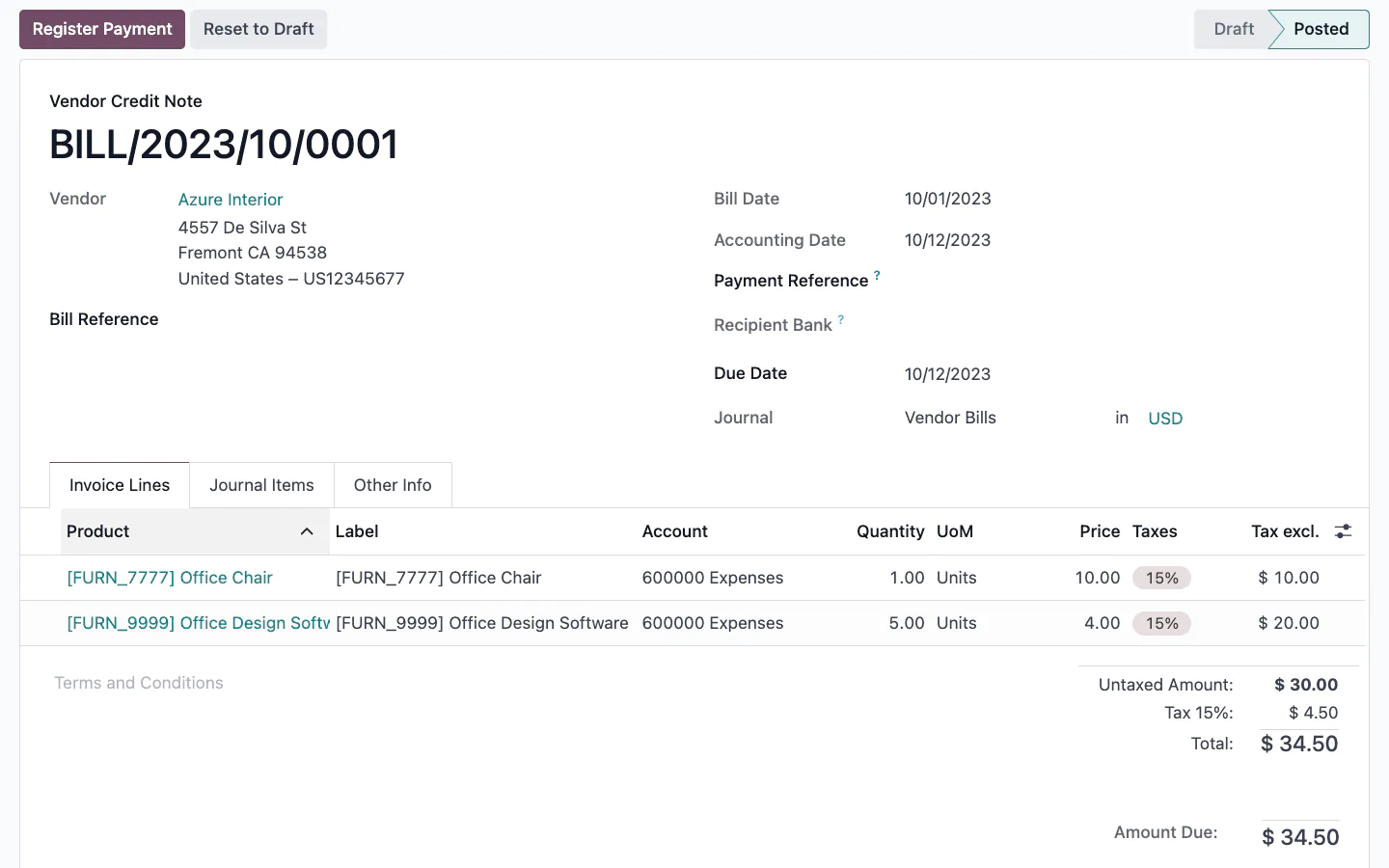
Experience zero data entry. Our advanced AI invoice data extraction technology achieves up to 98% accuracy. You only need to verify the invoice.

Enjoy the mobile experience
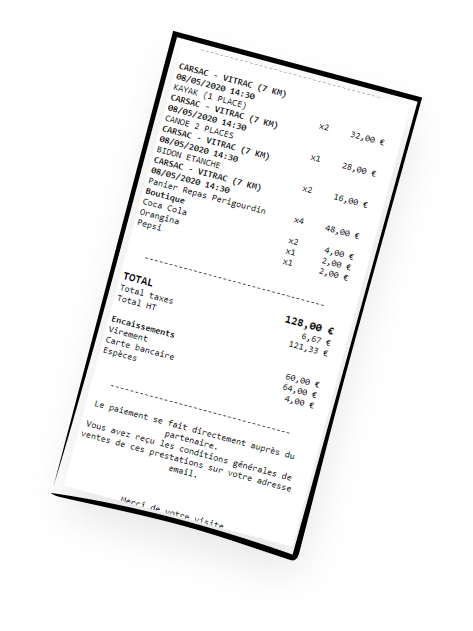
Your mobile companion. Snap a photo of expense receipts and let AI do the rest!

Smart bank reconciliation

Supports 28,000
banks worldwide
Bank synchronization
No more manual bank statement imports. Odoo integrates with 28,000 banks worldwide!

Smart AI matching
95% of transactions are automatically matched with financial records.


All features perfectly presented
Globally compatible
Odoo comes pre-configured to meet your country's requirements: chart of accounts, taxes, country-specific reports, e-invoicing, audit files, and fiscal positions to automatically apply the correct tax rates and accounts.
Real-time reporting
Real-time financial performance reports enable you to make informed business decisions. Additionally, you can easily add notes, export, and access detailed information for each report.
E-invoicing (EDI)
Depending on your company's country, multiple EDI file formats are available. Send and receive e-invoices in various formats and standards, such as Peppol. Supported Formats List
Automated Follow-ups
Odoo helps you identify overdue payments and allows you to schedule and send appropriate dunning notices based on the number of overdue days. You can send follow-up notifications via email, mail, or SMS.
Deferral
Defer income and expenses manually or upon each invoice/bill validation. You can also audit entries from dedicated reports.
Dynamic Taxes and Accounts
Regardless of where your customers and vendors are located, whether they have a tax ID, or whether you sell goods across borders, Odoo can calculate the correct taxes and income or expense accounts.

Requirements met one by one
Scales as You Grow

Sales
Generate invoices
Purchase
Control bills
Expenses
Track and re-invoice
Inventory
Real-time Valuation
Document Management
Management
Multi-currency, fiscal positions, and multi-ledger: the compliance foundation for cross-border finance
Odoo 20 Accounting strengthens compliance at the architectural level: strict validation of taxes in fiscal positions, bank account entries must originate from bank transactions, parent accounts replace account groups, multi-ledger consolidation is included in journals, the balance sheet, trial balance, and general ledger add auditable CTA lines, and after cash journal reconciliation, entry hashing is enabled to prevent tampering.
For integrated industrial and trading companies and cross-border enterprises, the key is to put multi-currency, exchange gains/losses, tax systems, cost centers, analytical dimensions, and period closing in the same set of books; source documents for purchases, sales, inventory, and invoices can be traced back to vouchers, and during audits, you can drill down by document number, batch, and project.
- Multi-currency and exchange gains/losses: foreign currency transactions, period-end revaluation, and exchange gains/losses consolidated into a single line
- Fiscal positions and tax systems: automatically match taxes by customer, supplier, and country
- Multi-ledger and consolidation: multi-company, multi-ledger, CTA cumulative translation adjustment
- Automatic reconciliation: bank statements, matching rules, multi-account splitting, prevention of duplicate payments
- Audit trail: source documents, entry hashing, batch reset of draft entries with traceability
Can it produce multi-company consolidated reports?
Yes, multi-company and multi-ledger consolidation, with auditable CTA lines, suitable for cross-border groups.
How does it divide responsibilities with the invoicing module?
Accounting manages the general ledger, taxes, reconciliation, and period-end closing; invoicing manages accounts receivable/payable, aging, collections, and payment matching.
Further reading:Odoo 20 New Features Overview: 58 Modules, 673 Capabilities
Financial accounting and cross-border compliance: what it can solve
From a cross-border compliance perspective, the value of financial accounting lies not only in individual features but in integrating business data, processes, and reports into a unified whole.
- Integrated general ledger, accounts receivable/payable, multi-currency, multi-tax, and multi-company accounting
- Collect costs by project, order, and department
- Vouchers and reports meet cross-border compliance and audit requirements
Frequently Asked Questions About Financial Accounting
What types of businesses is financial accounting suitable for?
Suitable for businesses that need integrated general ledger, accounts receivable/payable, multi-currency, multi-tax, and multi-company accounting, especially teams looking to incorporate financial accounting into a cross-border compliance system and integrate it with sales, purchasing, inventory, and financial data.
Can financial accounting be integrated with other modules of the open-source ERP?
It can share a single set of data with modules such as sales, purchase, inventory, production, finance, and customer service, reducing duplicate entry; the specific integration scope is configured according to business scenarios during the implementation phase.
How to get started with financial accounting?
Free trial is supported. OdooAi provides requirement analysis, implementation and go-live, training, and secondary development, covering integrated industry and trade and cross-border compliance scenarios.
Related solutions:Open Source ERP + Open Source MES Integration · Free Trial

We combine KPMG's experience and trusted expertise with Odoo's breakthrough technology to help clients and prospects simplify business operations, including real-time accounting anytime, anywhere.


Head of Tax, Legal and Accounting at KPMG