Open Source MES · Selection · Manufacturing Digitalization
Open source MES is not "free MES", nor is it about having more features. The core of selection is: under your process, organizational, and budget constraints, which solution can run through the "work order—reporting—traceability—cost" closed loop within an acceptable timeframe, and can still be modified three years later.
Updated: 2026-10-25 · Guangzhou Odoo Smart Odoo Implementation Team
Conclusion first: the priority order for most medium-sized discrete factories
If your factory is in discrete manufacturing, high-mix low-volume, and already has or plans to implement ERP, prioritize evaluating "open source solutions sharing the same database as ERP", such as MES capabilities composed of Odoo Manufacturing, Shop Floor, Quality, and Maintenance. Its advantage is not having the most features, but that master data, work orders, inventory, quality, and cost share one set of data, significantly reducing interface and reconciliation work. If your process is highly continuous, equipment protocols are complex, and you need deep APS, then professional MES/SCADA should handle the real-time layer, and open source ERP should handle the planning and business layer; do not force the two types of systems into one.
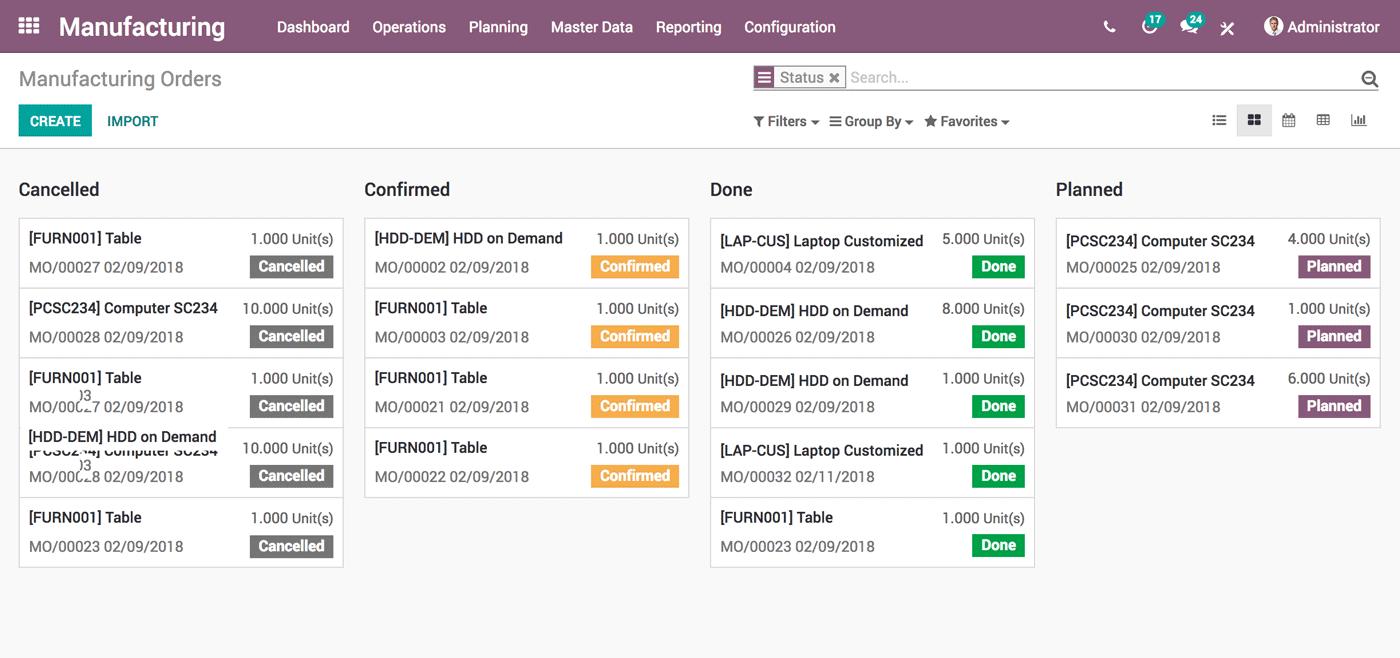
Why Open Source MES Is Being Discussed Again in 2026
In the past, MES was exclusive to large manufacturers: high license fees, long implementation cycles, and scheduling required to change a report. Now medium-sized factories face fragmented orders, shortened delivery times, stricter customer audits, and at the same time need to spend budgets wisely. The appeal of open source solutions lies in low software license costs, data can remain within the enterprise, and secondary development is not constrained by vendor scheduling; low-code and AI have lowered the development threshold for forms, reports, and Q&A interfaces. But the cost is also clear: open source transfers part of the "vendor responsibility" to the enterprise itself and implementation partners, and choosing the wrong partner is more common than choosing the wrong software.
Five Types of Solutions in One Table
| Solution | Functional Depth | Typical Cycle | Cost Structure | Data Sovereignty | Suitable For |
|---|---|---|---|---|---|
| Odoo Open Source MES | Medium-High: MRP, Shop Floor, Quality, Maintenance, Inventory, IoT | 2–12 weeks | Low software cost, services on demand | Can be privatized | Discrete manufacturing, high-mix low-volume, integrated industry and trade |
| Pure open-source MES project | Medium: focuses on work orders, production reporting, and dashboards | Depends on the team | Low software cost, high development manpower | Strong | Has a stable development team, relatively simple processes |
| Commercial MES | High: industry templates, in-depth APS, equipment protocols | 3–12 months | License + high implementation | Mainly SaaS | Large groups, process industries, highly regulated industries |
| Self-developed | Fully on-demand | 6–18 months | High labor costs, large hidden costs | Fully controllable | Unique business, has a long-term IT team |
| Excel/lightweight tools | Low: scheduling, production reporting, ledgers | A few days to a few weeks | Low | Weak | Startup stage, single workshop, simple processes |
The duration and cost are empirical ranges, affected by master data quality, scope boundaries, number of interfaces, and internal cooperation; they are not project commitments.
Don't just look at the feature list when selecting: five dimensions
1. Business fit: first distinguish discrete, process, and delivery models
Discrete manufacturing focuses on work orders, operations, substitute materials, and batch traceability; process manufacturing focuses on formulas, batches, shelf life, and continuous production. Engineer-to-order (ETO) also requires attention to projects, BOM changes, and outsourcing costs. Forcing a process industry template onto a discrete factory will ultimately require extensive custom development to fill gaps; the reverse is also true.
2. Total cost of ownership: calculate the three-year account together
The TCO of open-source MES includes at least software subscription, implementation services, custom development, servers and operations, internal key user hours, training, and change costs. Comparing only the 'software quote' will lead to wrong conclusions: cheap software may have a higher three-year total cost due to many interfaces and custom developments; expensive software may also achieve results faster because of mature industry templates.
3. Data sovereignty and integration: master data can only have one system of record
Master data such as materials, BOMs, processes, suppliers, and customers must have a single system of record among ERP, MES, and WMS. The advantage of open-source solutions is that they can be deployed privately, and the database is owned by the enterprise; but if the interface design is chaotic, data sovereignty cannot guarantee data consistency. When selecting, ask clearly: which data is synchronized in real time, which is synchronized in batches, and which system prevails in case of conflict.
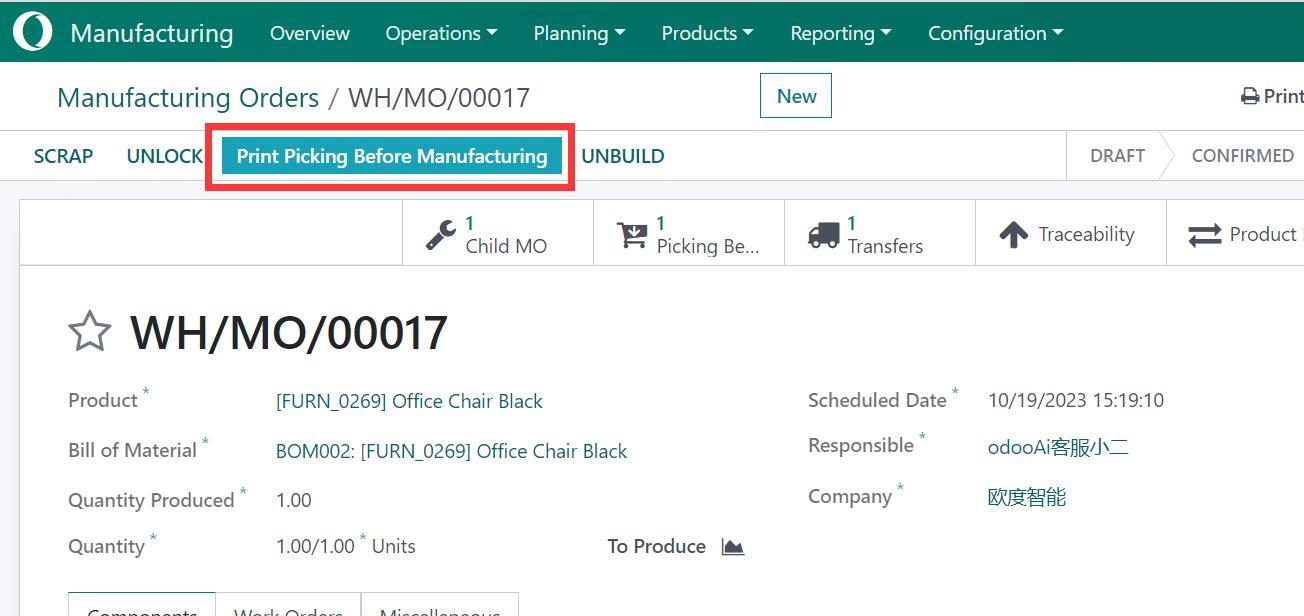
4. Implementation capability: partners are easier to choose wrongly than software
MES project failures are rarely due to the software lacking a button, but more often due to ungoverned master data, unestablished reporting habits, and out-of-control scope. When evaluating implementation partners, don't just look at PPT cases; see if they can provide BOM samples, routing samples, acceptance criteria, and post-go-live maintenance mechanisms from the same industry. A partner who understands manufacturing can tell you at the selection stage which requirements should be cut.
5. Evolvability: can it still be changed three years later
A factory's processes, customers, and compliance requirements will change. When selecting, confirm: whether custom development is restricted by licensing, whether APIs are open, whether version upgrades are smooth, whether the community and ecosystem are active, and whether key customizations have testing and migration plans. A system that is just sufficient today, if it cannot be changed three years later, will become a new legacy system.
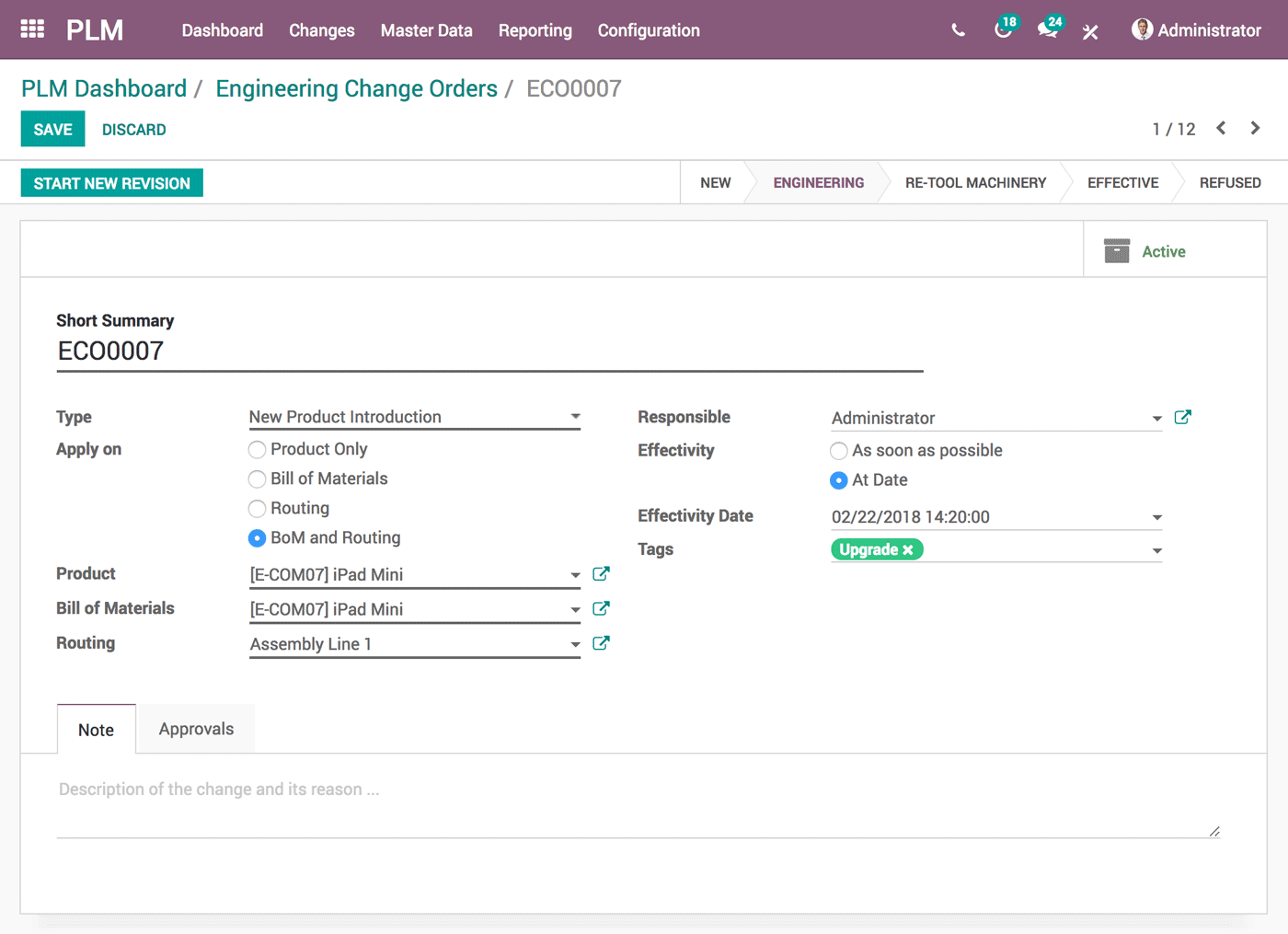
12 Acceptance Metrics That Can Be Written into the Contract
Do not use unquantifiable terms such as "system go-live" or "user satisfaction" in acceptance. The following 12 metrics can be directly included in the implementation agreement as phased acceptance criteria; specific target values need to be negotiated based on the enterprise baseline.
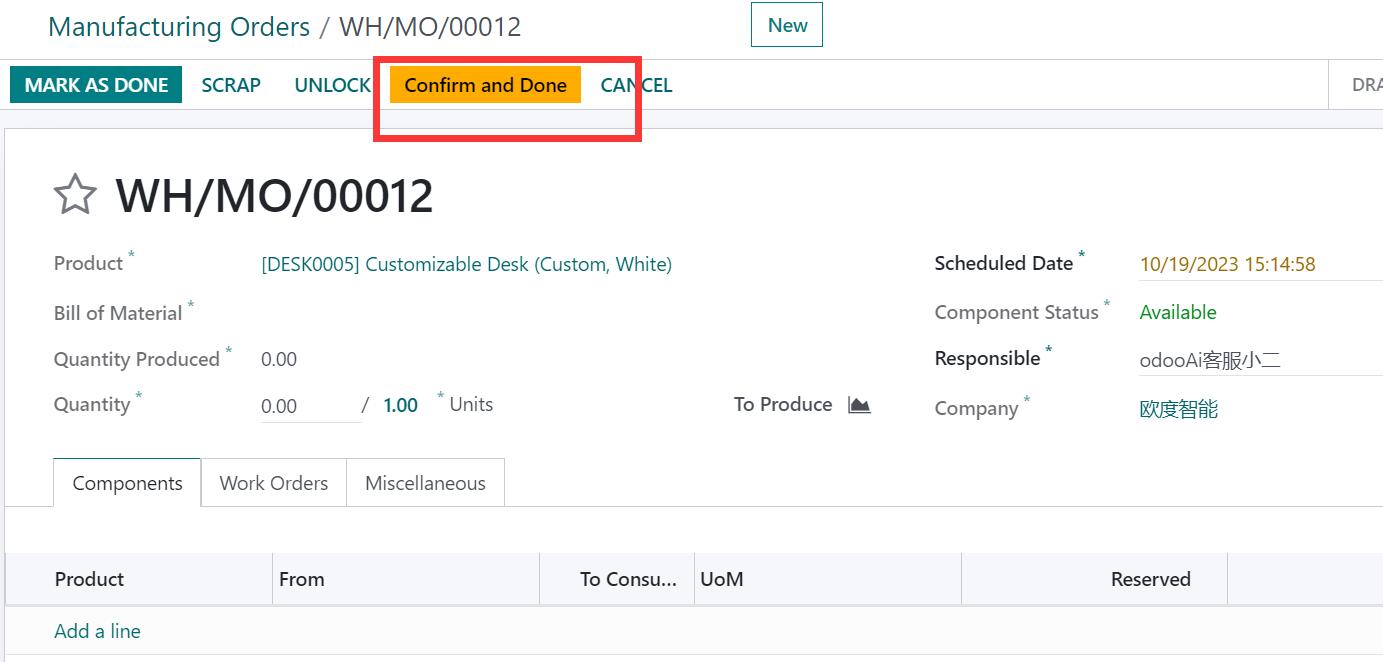
| # | Metric | Definition | Suggested Target |
|---|---|---|---|
| 1 | BOM Accuracy | Number of BOM lines consistent with physical items/drawings / Number of sampled lines | ≥98% |
| 2 | Work Reporting Timeliness Rate | Work reports completed during the shift / Work reports due | ≥95% |
| 3 | Traceability Duration | Time to trace from finished product batch to raw material batch and operation records | ≤5 minutes |
| 4 | Inventory Accuracy | SKUs matching book records / SKUs counted | ≥98% |
| 5 | Kit Fill Rate | Number of kitted work orders / Number of planned work orders | ≥95% |
| 6 | OEE Data Completeness Rate | Shifts with complete downtime and output records / Total shifts | ≥90% |
| 7 | Work Order Cost Variance | Proportion of explainable variance between actual cost and standard cost | ≥95% |
| 8 | Quality Closed-Loop Cycle | Average days from acceptance to closure of defects/customer complaints | Decrease according to baseline |
| 9 | System Availability | Proportion of accessible time within planned operating time | ≥99.5% |
| 10 | Interface Success Rate | Number of successfully synced records / Number of records to sync | ≥99% |
| 11 | Key user activity rate | Proportion of key users who log in and use core functions weekly | ≥80% |
| 12 | Post-launch improvement | At least two of delivery time, inventory, yield, and OEE show comparable improvement | 3-month review |
Five common misconceptions
- Equating open source with free. Software licensing is only part of the cost; implementation, master data, secondary development, operations and maintenance, and internal manpower must all be included. If these are not in the budget, the project will likely stop at the pilot stage.
- The more features, the better. The longer the feature list, the harder it is to control the implementation scope. The goal of the first phase should be to run a closed loop in one workshop, not to enable all modules.
- Buy software first, then find an implementation partner. Software selection should be done together with the implementation partner, because the partner knows best whether your master data and processes can support these features.
- Let only IT select the system. MES is a business system, so production, quality, warehouse, and finance must participate; IT is responsible for architecture, integration, and security, not for defining work reporting standards.
- Go live across the entire factory at once. Pilot in one workshop or production line first to validate master data, work reporting habits, and acceptance metrics, then replicate to other workshops; this minimizes risk.
When choosing MES for non-standard manufacturing, look at these four points first
MES for non-standard factories cannot be compared only by the work reporting interface. First, check whether BOMs and processes can be quickly copied and modified per order; second, check whether the project number can run through work orders, work reporting, quality inspection, and costs; third, check how quickly process routes and inspection templates can be changed during line changeovers; finally, check whether data from outsourcing and on-site installation can be returned to the factory.
If two of the four points are not met, secondary development will likely be needed later. For non-standard manufacturing, ERP and MES should ideally share the same database, or at least master data and work orders should be unidirectionally queryable.
Common questions about open source MES selection
Are open source MES and free MES the same thing?
No. Open source means the source code is open and can be deployed and modified independently; free usually only means zero license fee. Open source software still requires investment in implementation, training, servers, and operations and maintenance, and enterprise editions or commercial plugins may also charge fees.
Which open source MES is good?
There is no uniform answer; it depends on the process and team. Discrete manufacturing companies that want to share the same database with ERP can prioritize the Odoo combination solution; for process industries, deep APS, or scenarios with strong dedicated equipment protocols, professional MES/SCADA should be evaluated. The criterion is whether it can run your closed loop, not the brand size.
Can Open Source MES Replace Commercial MES?
In some scenarios, yes; in others, not suitable. For factories with high-mix low-volume production, integrated industry and trade, and a need for rapid iteration, open source solutions are often more suitable; for ultra-large-scale process industries, highly regulated industries, and complex APS, more specialized industry templates and service capabilities are required.
Can We Use Open Source MES Without an IT Team?
Yes, but you must have a reliable implementation partner and internal key users. Open source solutions place more responsibility on the enterprise side: master data governance, requirements confirmation, testing and acceptance, and post-launch operations and maintenance all require people. Projects without any internal contact person carry high risks.
How to Calculate the TCO of Open Source MES?
Calculate over three years, divided into five parts: software, implementation, secondary development, infrastructure, and internal manpower. Then convert the benefits from system improvements—such as inventory reduction, delivery lead time improvement, and rework reduction—into monetary terms; looking only at the software quote will seriously underestimate the total cost.
Choose Odoo or a Specialized MES?
It depends on whether you need to solve "business collaboration" or "real-time equipment control." If the core pain points are work orders, materials, quality, costs, and ERP reconciliation, the Odoo combined solution is smoother; if the core pain points are millisecond-level equipment control, complex scheduling algorithms, or industry-specific protocols, a specialized MES/SCADA is more suitable.
What Should Be Prepared Most Before Go-Live?
Master data and scope boundaries. First, govern material codes, BOMs, routings, work centers, and quality inspection items to a usable level, then clarify which workshop, which processes, and which indicators will be covered in the first phase. If master data is inaccurate, no MES can save you.
How to Verify a Supplier's Industry Cases?
Ask for verifiable details, not just logos. Have the supplier explain the BOM structure, routing, reporting methods, traceability granularity, and go-live cycle in the same industry, and allow you to communicate with the customer's key users; cases with only a logo wall and no details have limited reference value.
Continue reading
- Open Source MES: Complete Chain of Work Orders, Reporting, Quality, and Cost
- Odoo MRP Manufacturing: BOM, Scheduling, and Shop Floor Execution
- How MRP, MES, and QMS divide work: a three-layer roadmap
- Quality Management QMS: IQC/IPQC/OQC, AQL, and 8D Closed Loop
- Warehouse Inventory: Batches, Serial Numbers, and FEFO
- Equipment Maintenance TPM: Maintenance, Repair Requests, Spare Parts, and OEE
Free Trial of Open Source MES Book a Selection Diagnosis
This article is for selection reference only and does not constitute a commitment to any specific project timeline, cost, or benefit. The actual scope needs to be evaluated based on the enterprise's master data, processes, and organizational situation.